UX/UI Design
ARQ AI
Role
Lead product designer
Duration
5 months
Platform
iOS, Android
Company
ARQ AI
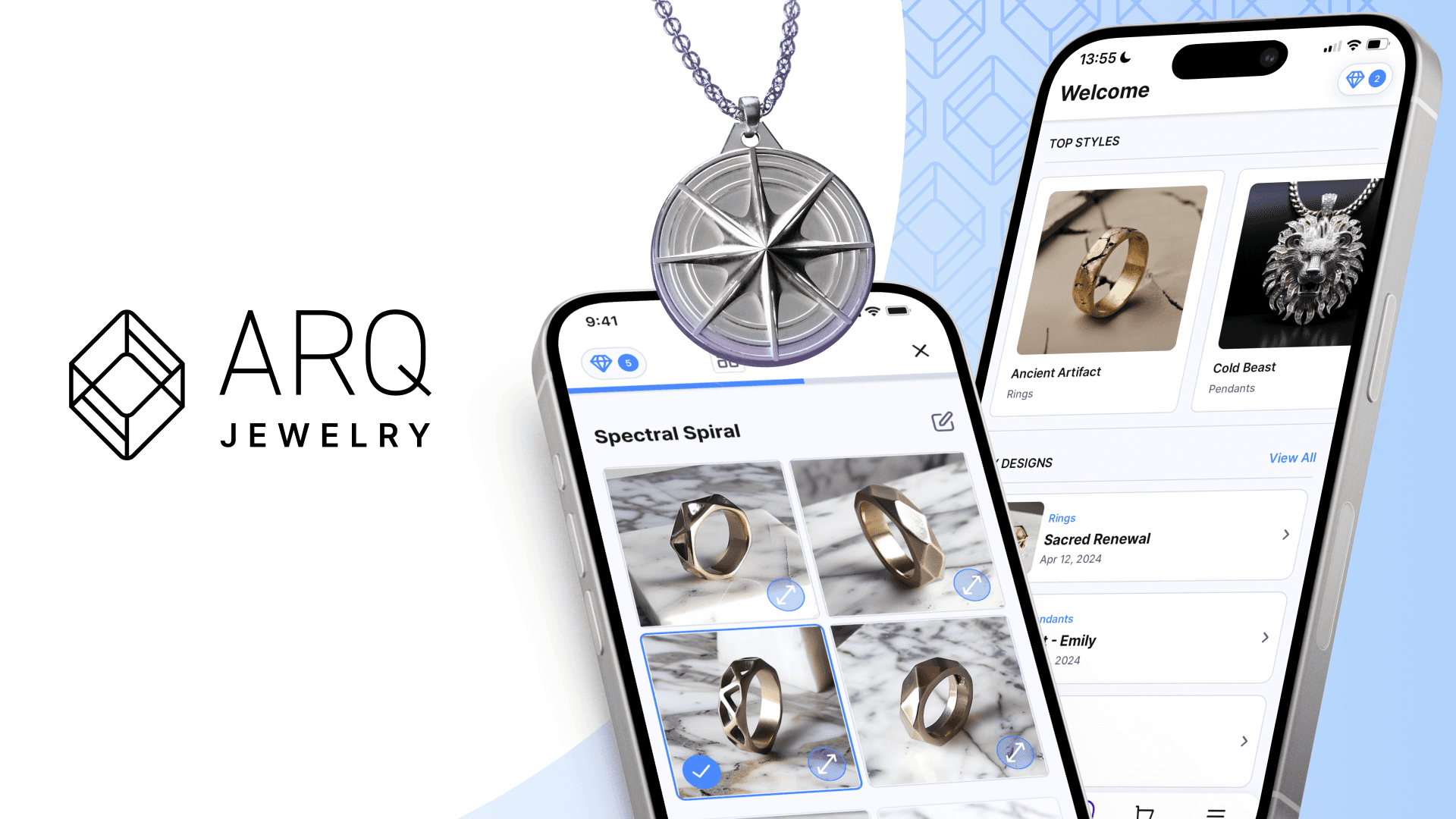
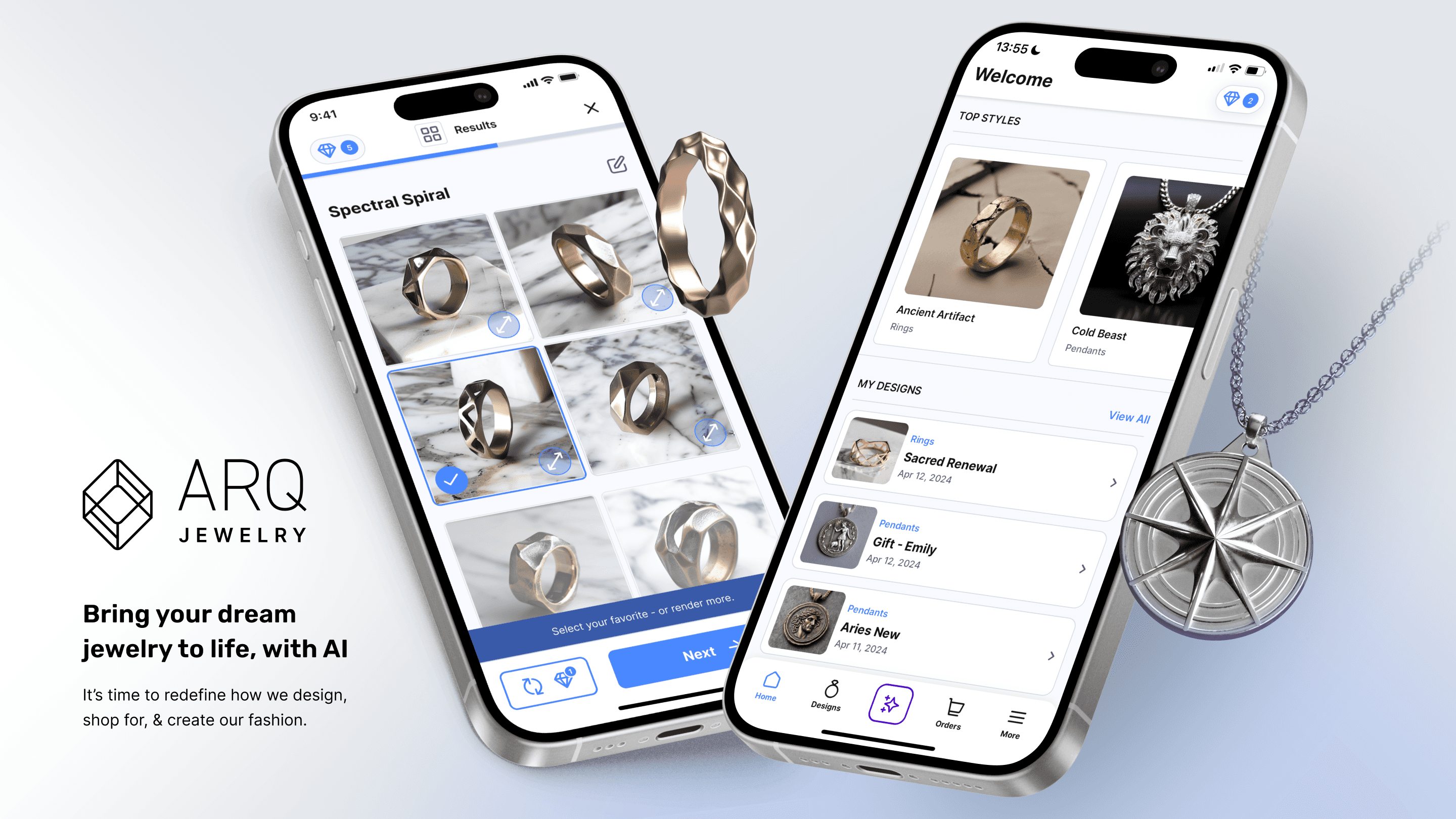
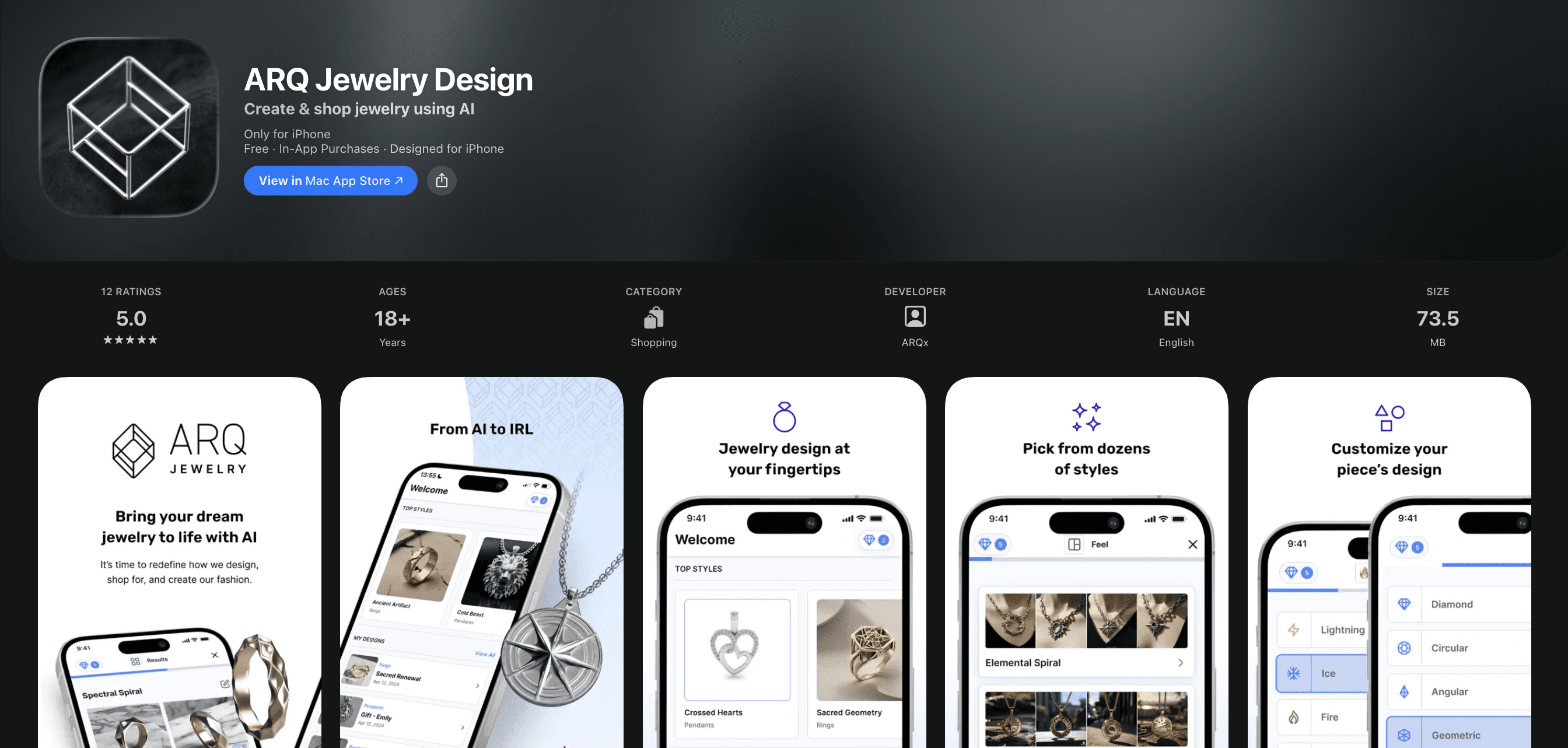
AI-powered jewelry design app.
Problem
Custom fashion is expensive and inaccessible.
Solution
ARQ empowers anyone to design their own jewelry instantly with AI.
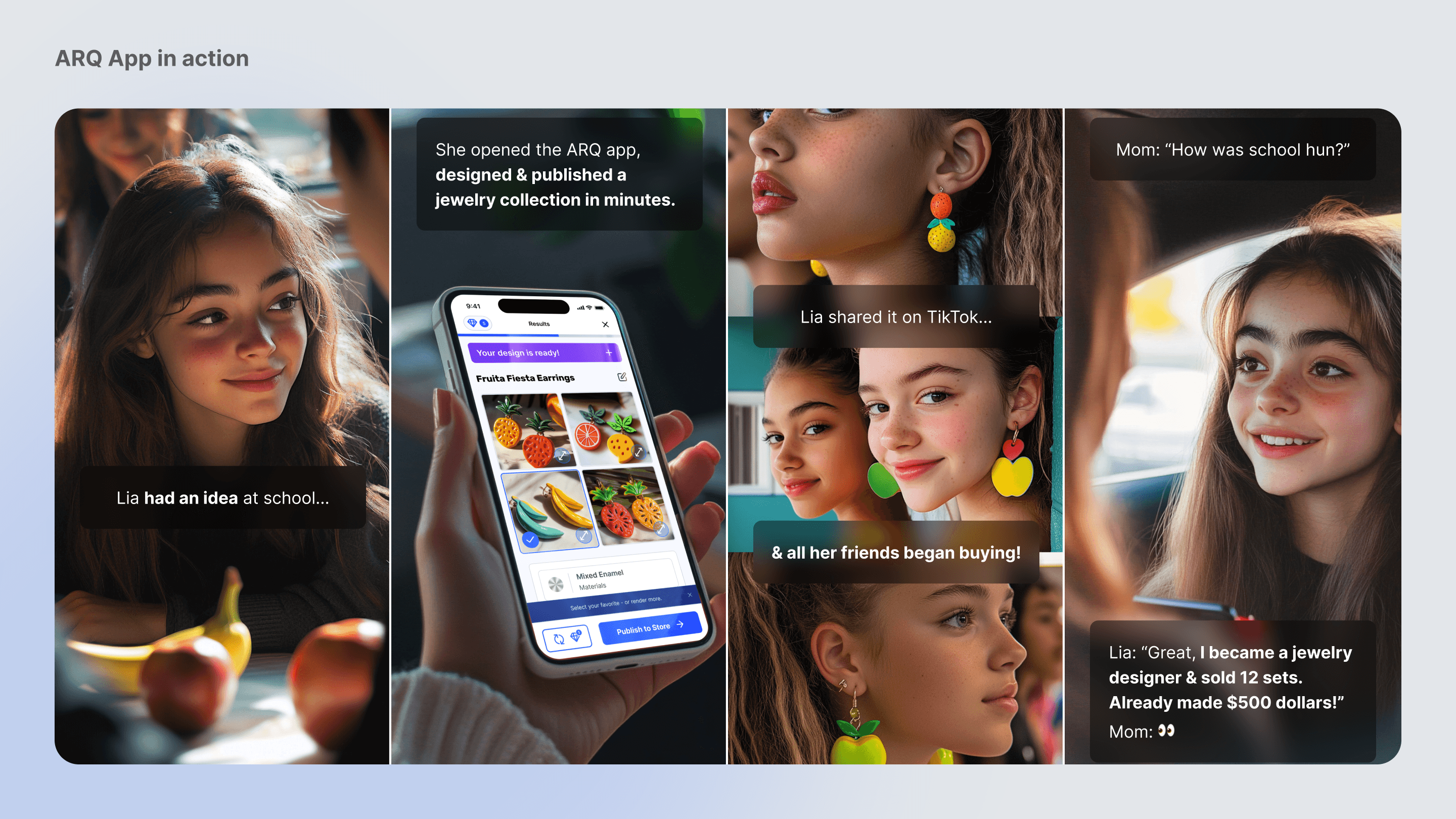
ARQ redefines shopping by letting users create one-of-a-kind pieces without needing design experience. By lowering the barrier to entry for custom goods, ARQ makes fashion more personal and accessible.
Role Summary
I partnered directly with the founder to shape the product vision, design the MVP, and guide the build from concept to launch. Over five months I designed cross-platform mobile experiences, collaborated with engineering daily, and supported the creation of a backend that connected AI generated designs to real-world manufacturing. ARQ became one of the first AI driven custom jewelry apps available in mobile app stores.
1. Conception
Project Origin
A professional jeweler approached me with a simple question: could AI help people design custom jewelry as fast as they imagine it. Early tests showed strong demand. People loved the idea of creating their own pieces without the usual cost, time, or confusion of traditional custom work.
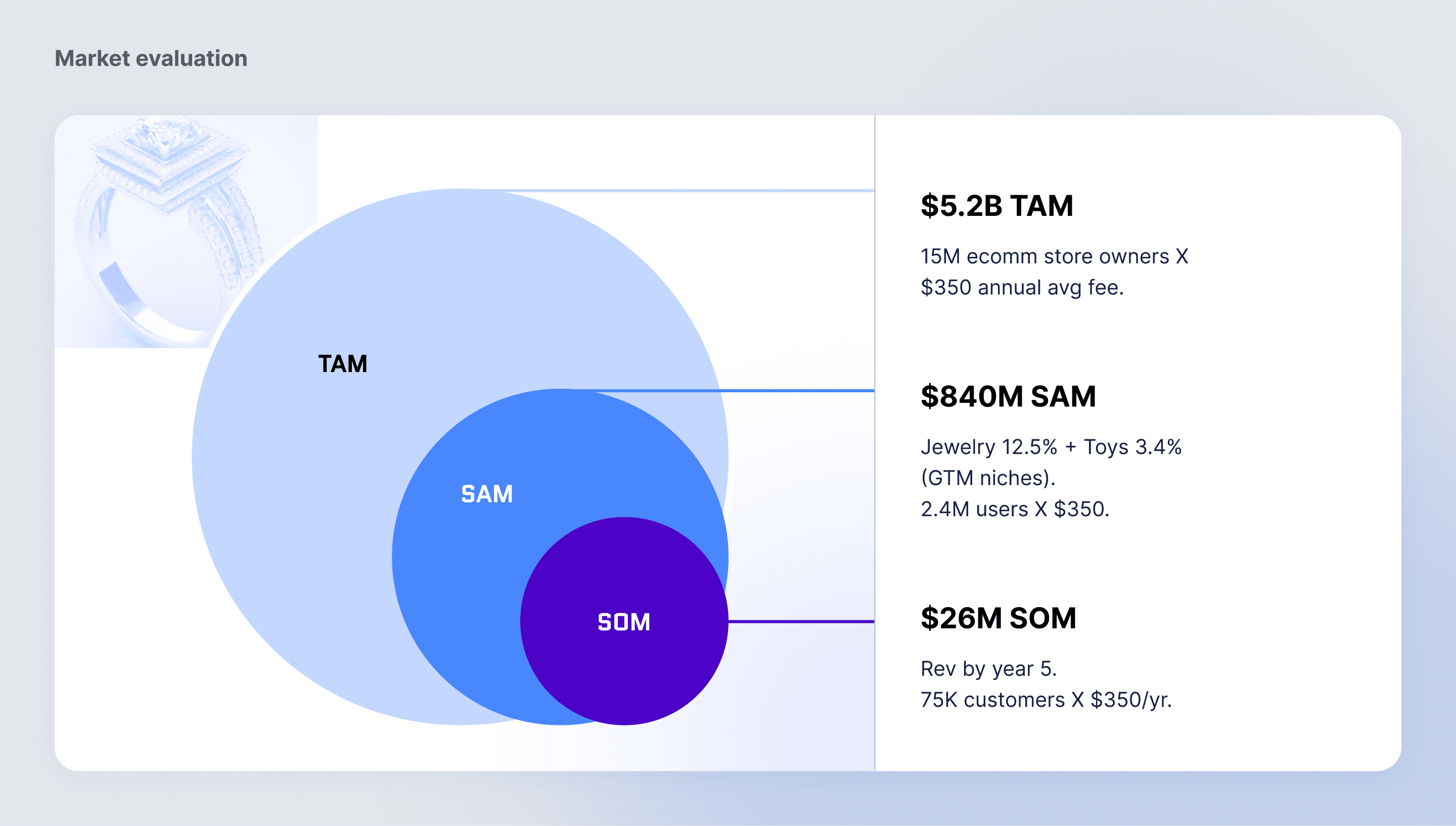
Market research confirmed the opportunity. The global personalized jewelry segment is valued at roughly 40 billion dollars and growing at an estimated 8 to 9 percent CAGR. When narrowed to North American mobile-first shoppers, the serviceable obtainable market is about 3 to 5 billion dollars, driven by rising interest in personalized fashion, accessible luxury, and AI assisted creativity.
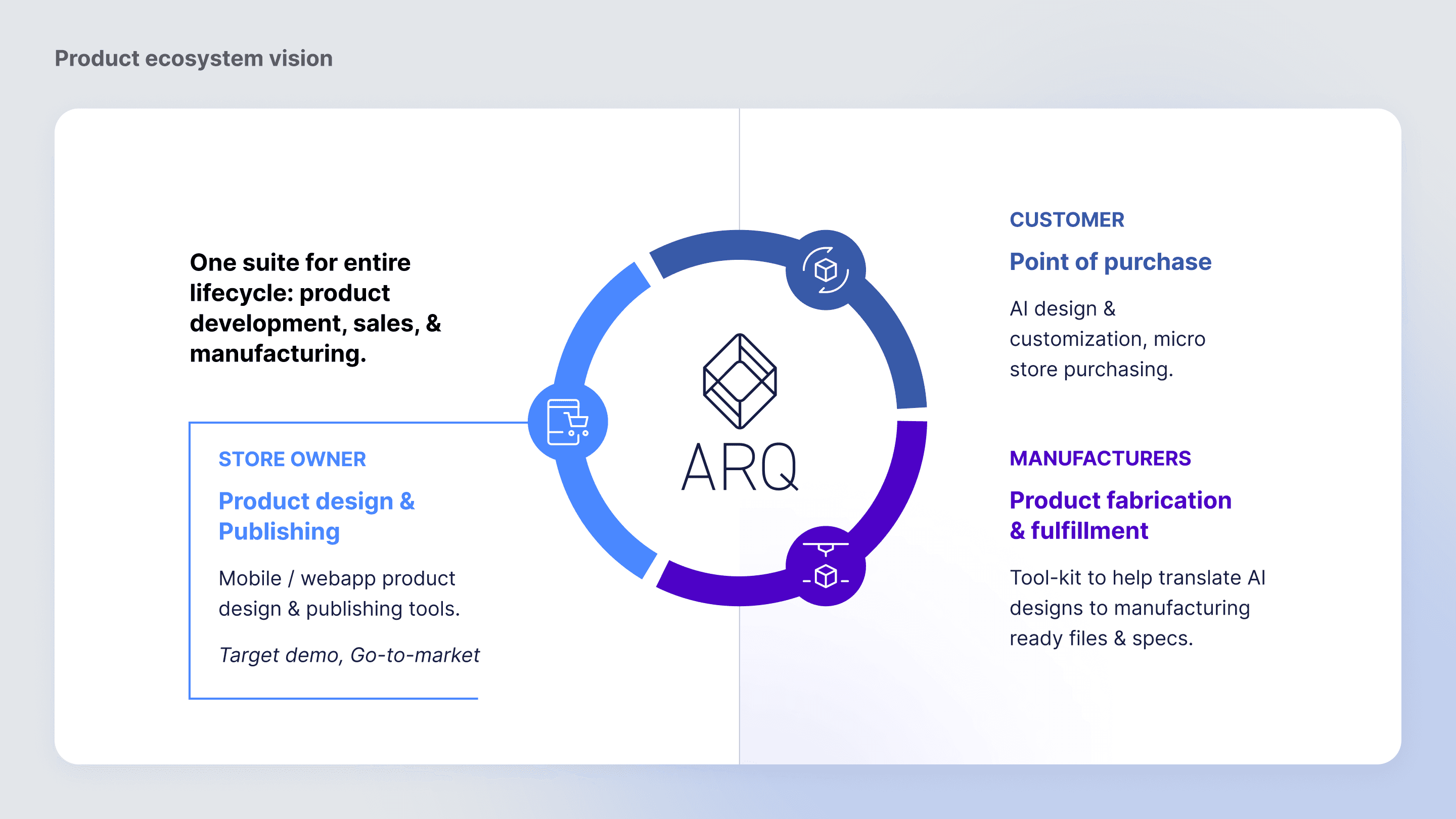
This gave us confidence to pursue both a direct-to-consumer app and a whitelabel version for jewelry brands.
Goals and Vision
Consumer App
• Build direct-to-consumer app that lets anyone design custom jewelry instantly using AI.
• Simple enough for anyone to use.
• Fast, expressive, and playful.
• Capable of producing real, manufacturable pieces.
Industry Whitelabel App
• Create a whitelabel platform for jewelry brands to offer AI powered customization inside their own retail ecosystem.
2. Research
Methods Used
Research was split between consumer behavior and jewelry industry workflows. I gathered insights from jewelers, store owners, and shoppers through interviews, surveys, and prototype walkthroughs. We tested flows on both wireframes and high fidelity screens to refine usability.
• Industry and competitive analysis.
• Interviews with jewelers, designers, and customers.
• Surveys validating demand for custom pieces.
• Card sorting for feature prioritization.
• Walkthrough sessions during and after development.
• Cross platform usability testing.
3. Findings
Key Findings
From jewelers
• Custom design work is time-intensive, often taking hours before a sale is even confirmed.
• Many clients back out late in the process, creating significant wasted labor and cost.
• Jewelers prefer to focus on craftsmanship, not endless rounds of sketching for undecided shoppers.
From customers
• People struggle to find pieces that perfectly match what they imagine.
• Even when they do, pricing feels opaque, making it hard to know whether they're overpaying.
• Traditional custom jewelry is extremely expensive, with long back-and-forth cycles.
• Translating an idea to a designer is hit-or-miss — similar to getting a tattoo where style mismatch is common.
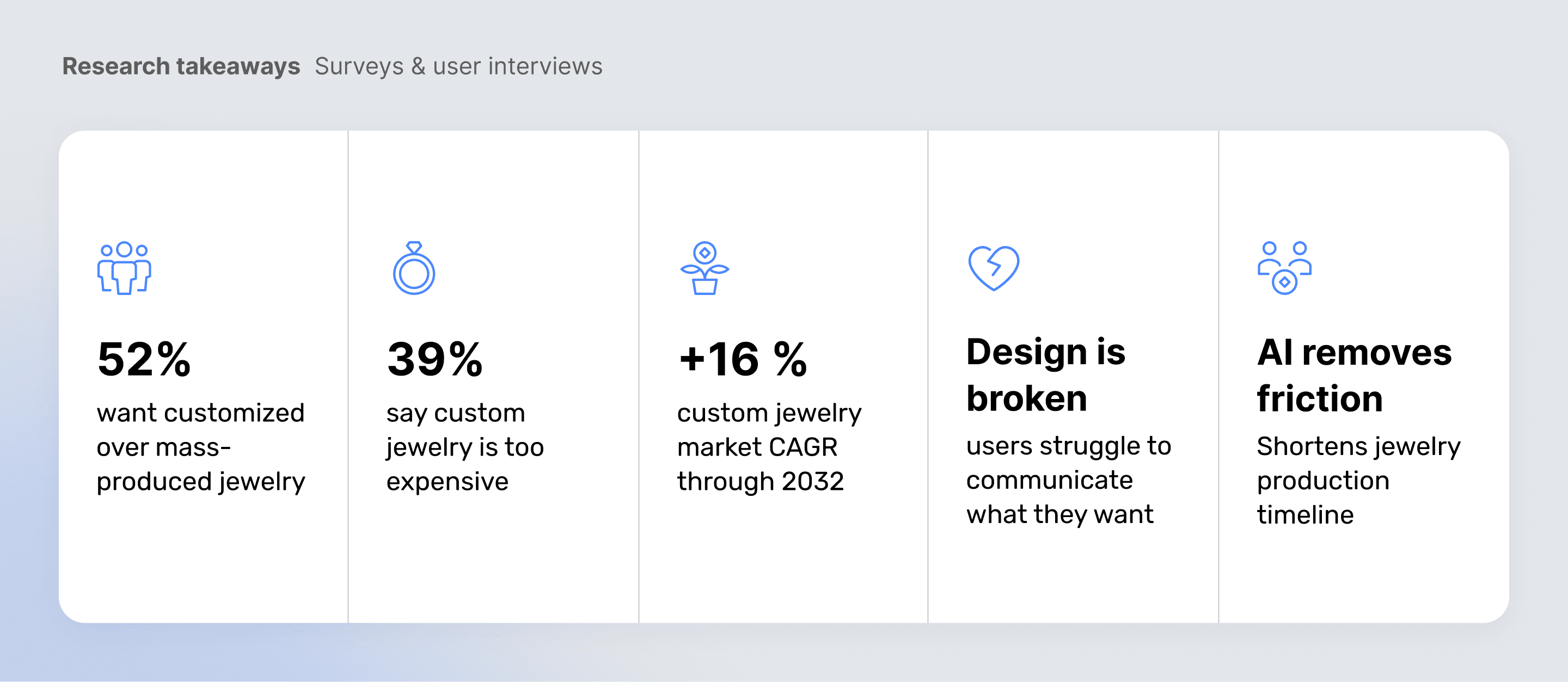
Consumer survey highlights
We ran a small directional survey with jewelry shoppers (ages 22–54, screened for buying jewelry 2–3 times a year). Results included:
Industry analysis
• Personalized jewelry is a fast-growing segment, projected at 8–9 percent annual growth.
• The global jewelry market is expanding steadily, expected to reach over USD 570B by 2033.
• Older buyers (34+) significantly more likely to seek unique or personalized pieces over mass-produced fast-fashion jewelry.
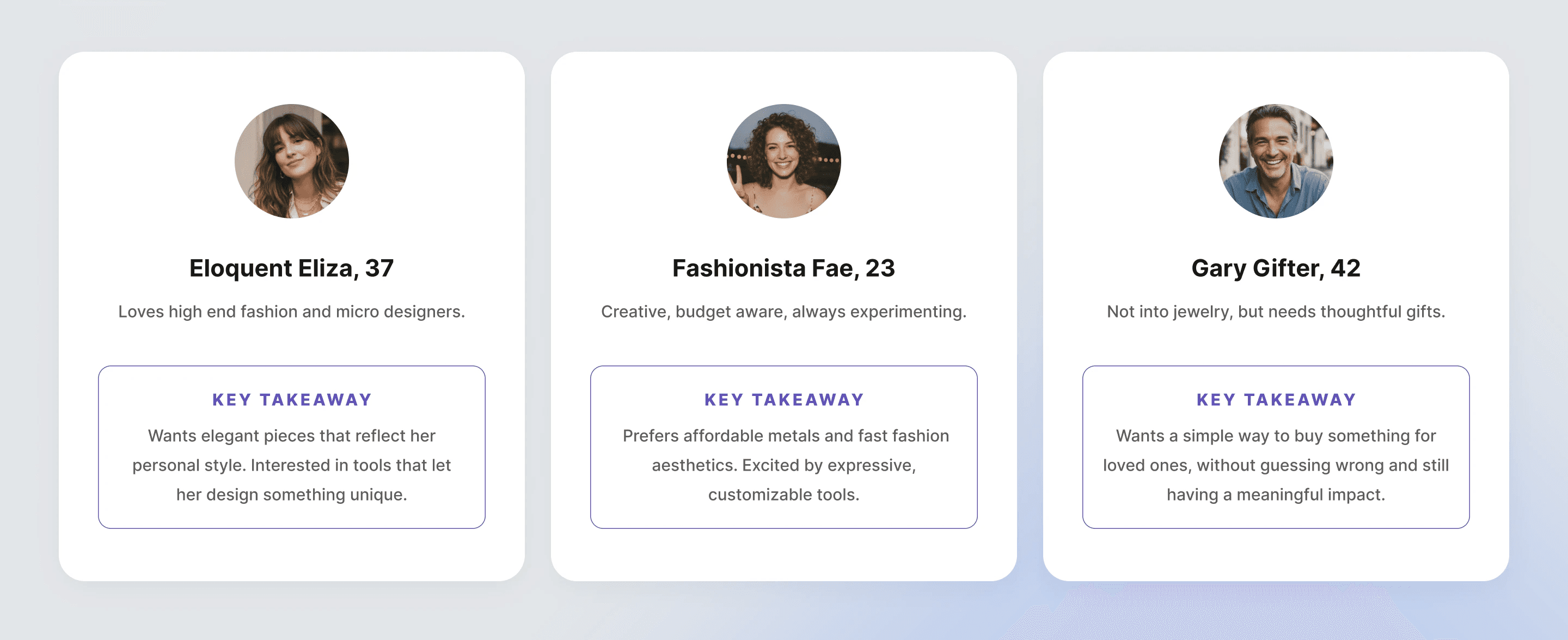
Personas
Using the results from our market research and surveys, we developed the following 3 personas to measure our growing roadmap against.
4. Planning
Approach and Strategy
Using interview insights and market data, I defined the core flows needed to support ideation, customization, purchasing, and fulfillment. We prioritized features that balanced creativity with practical manufacturing constraints. I aligned closely with developers to ensure every idea was technically possible.
Information Architecture
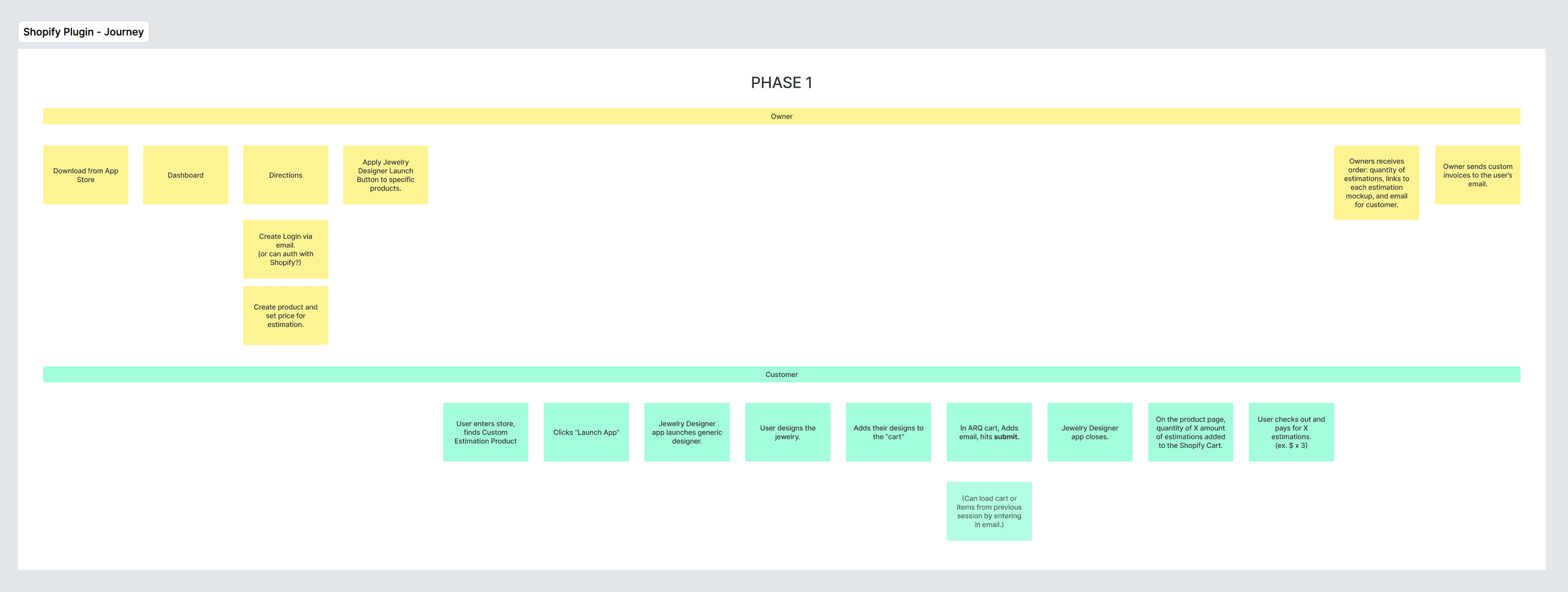
• Complete UX flow mapping
• Early wireframes and clickable walkthroughs
• Collaboration with engineering to scope AI features and pricing logic
Testing Outcomes
User feedback shaped several important changes.
• Eliza type users preferred starting from polished templates inspired by modern trends.
• Fanny type users wanted full creative control and the ability to build pieces from scratch.
• Buyers requested clearer material pricing and quality indicators.
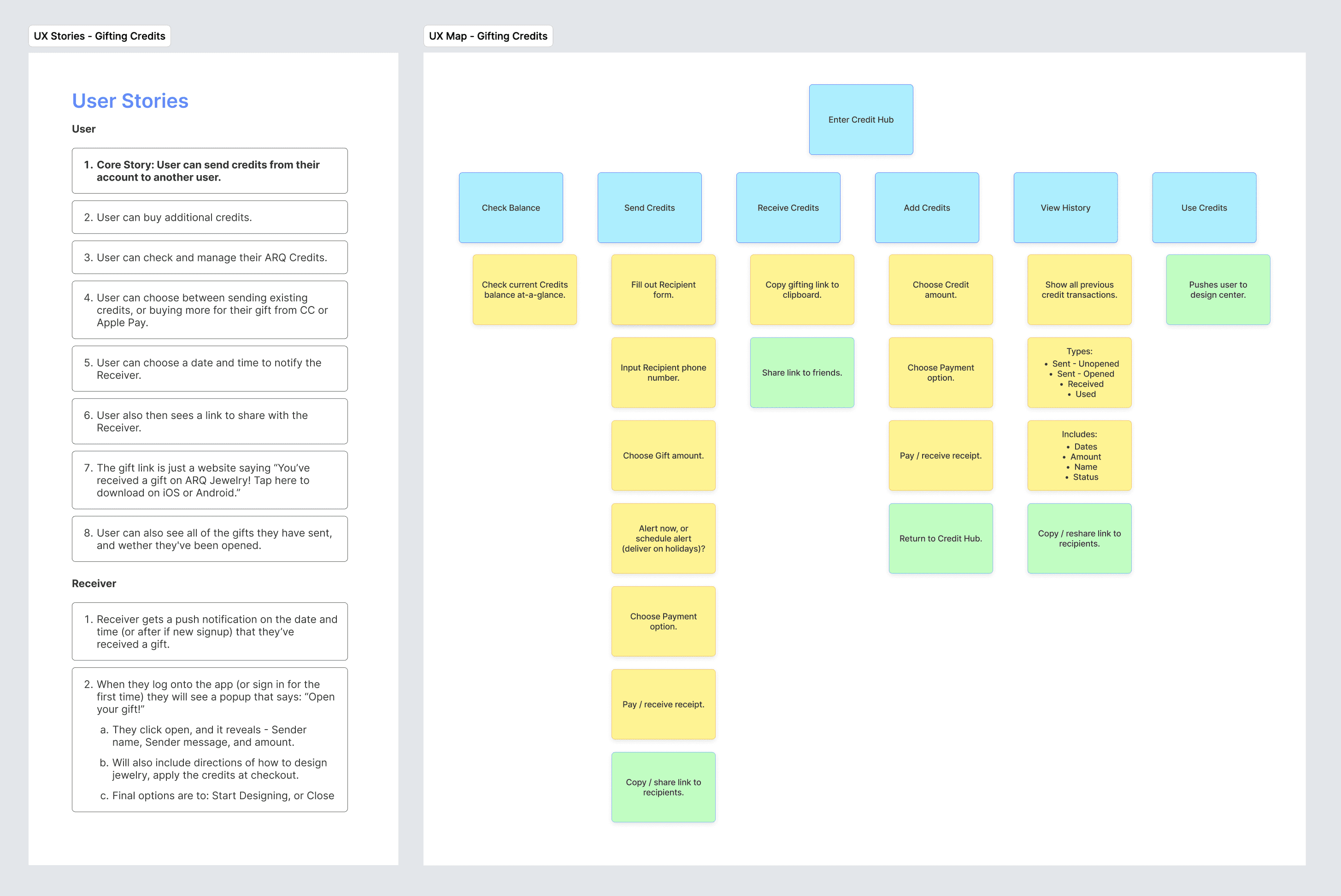
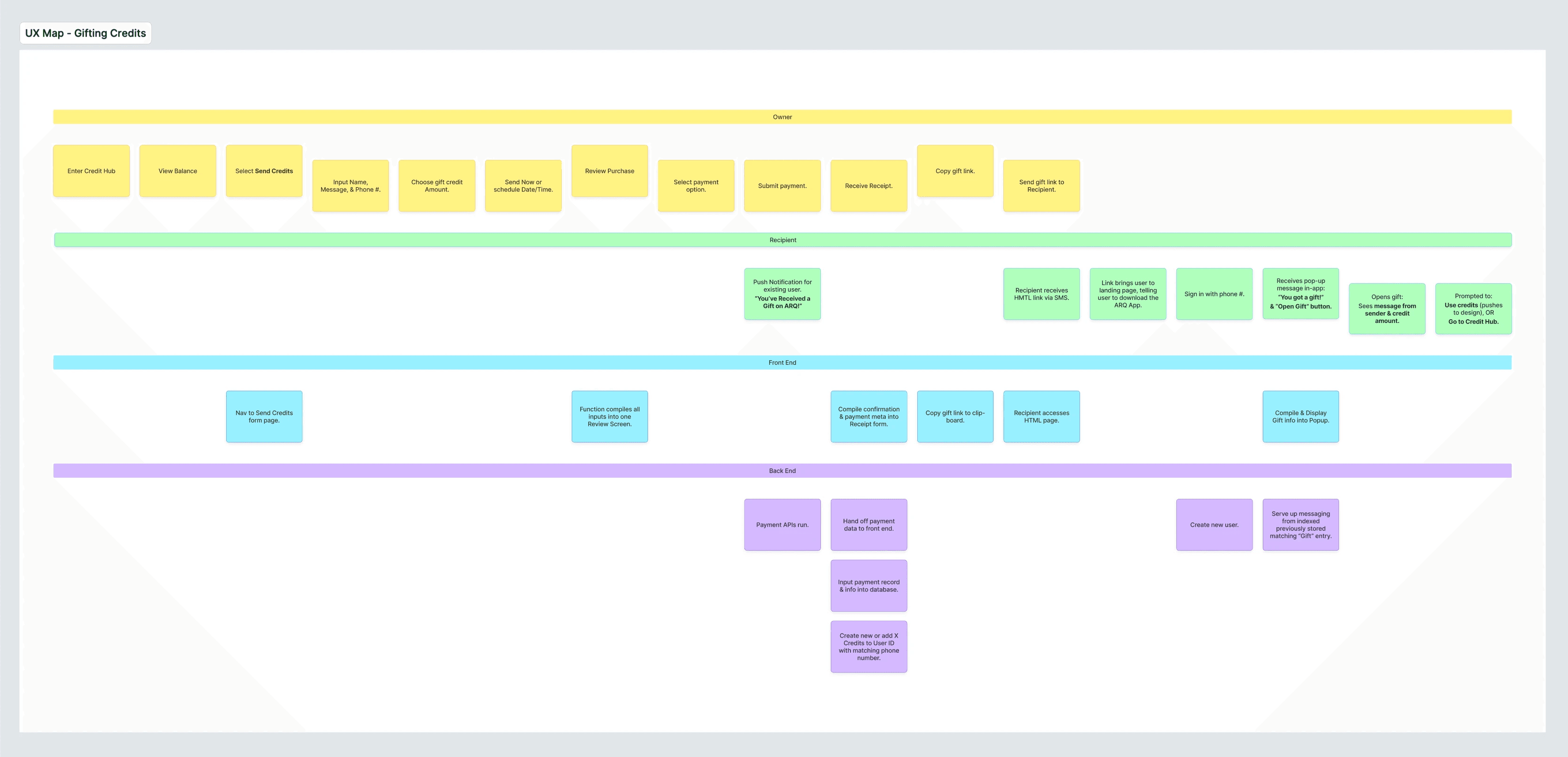
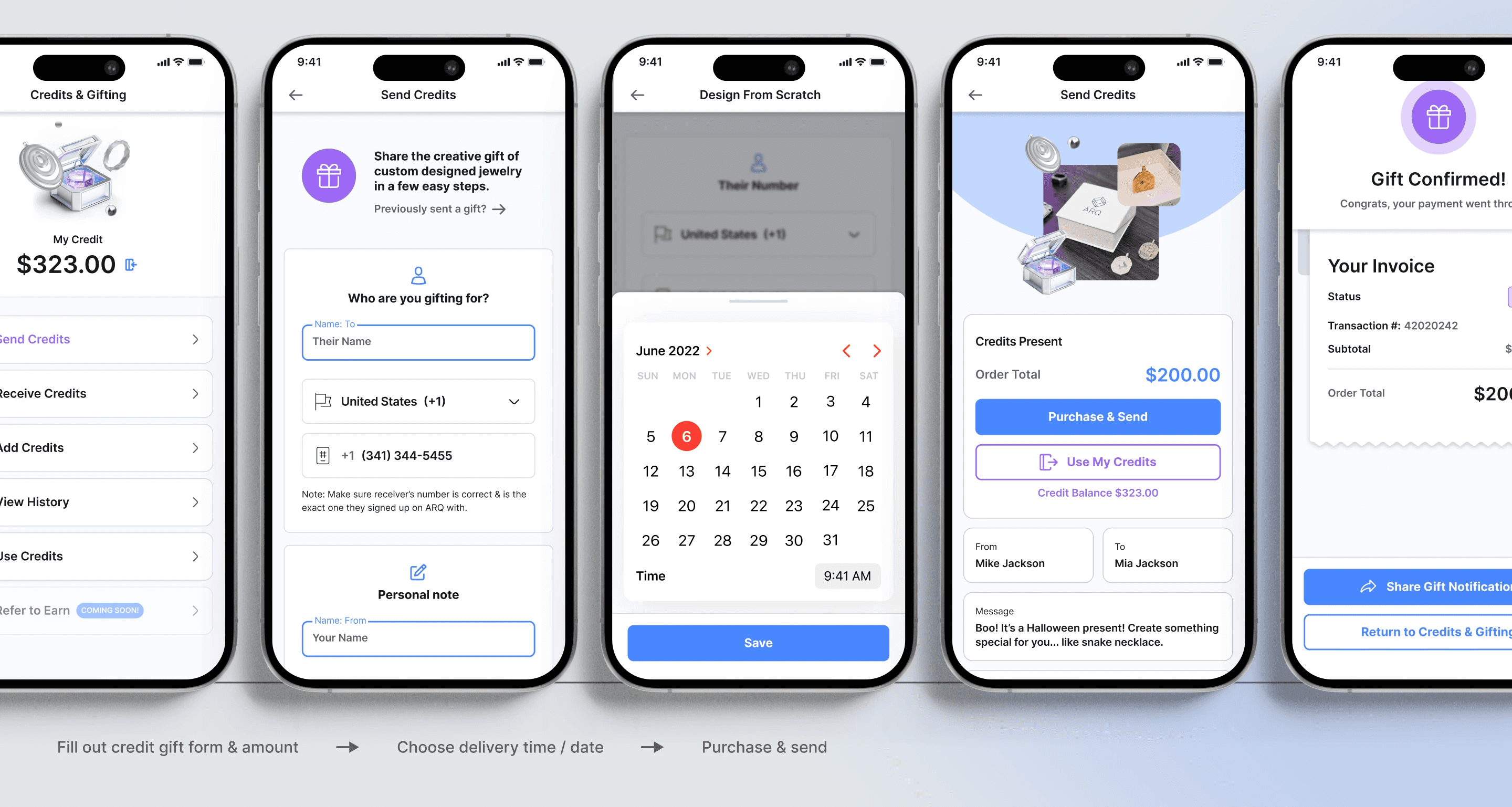
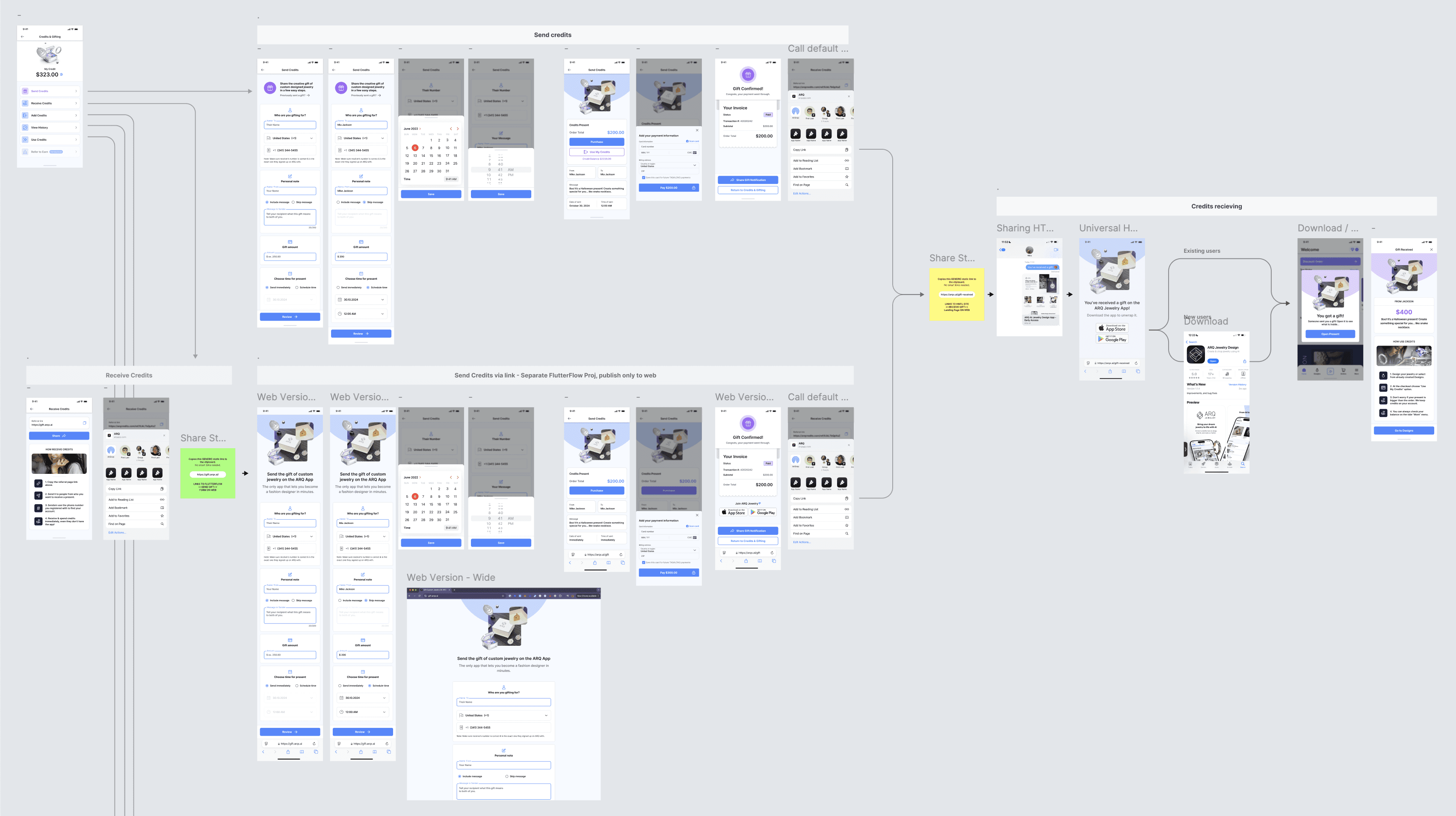
• The gifting flow evolved heavily after interviews with Gary type users who wanted a simple pay now, design later option for loved ones.
• We introduced a community feature because users loved the idea of sharing and possibly selling their designs.
5. Build
Design Process
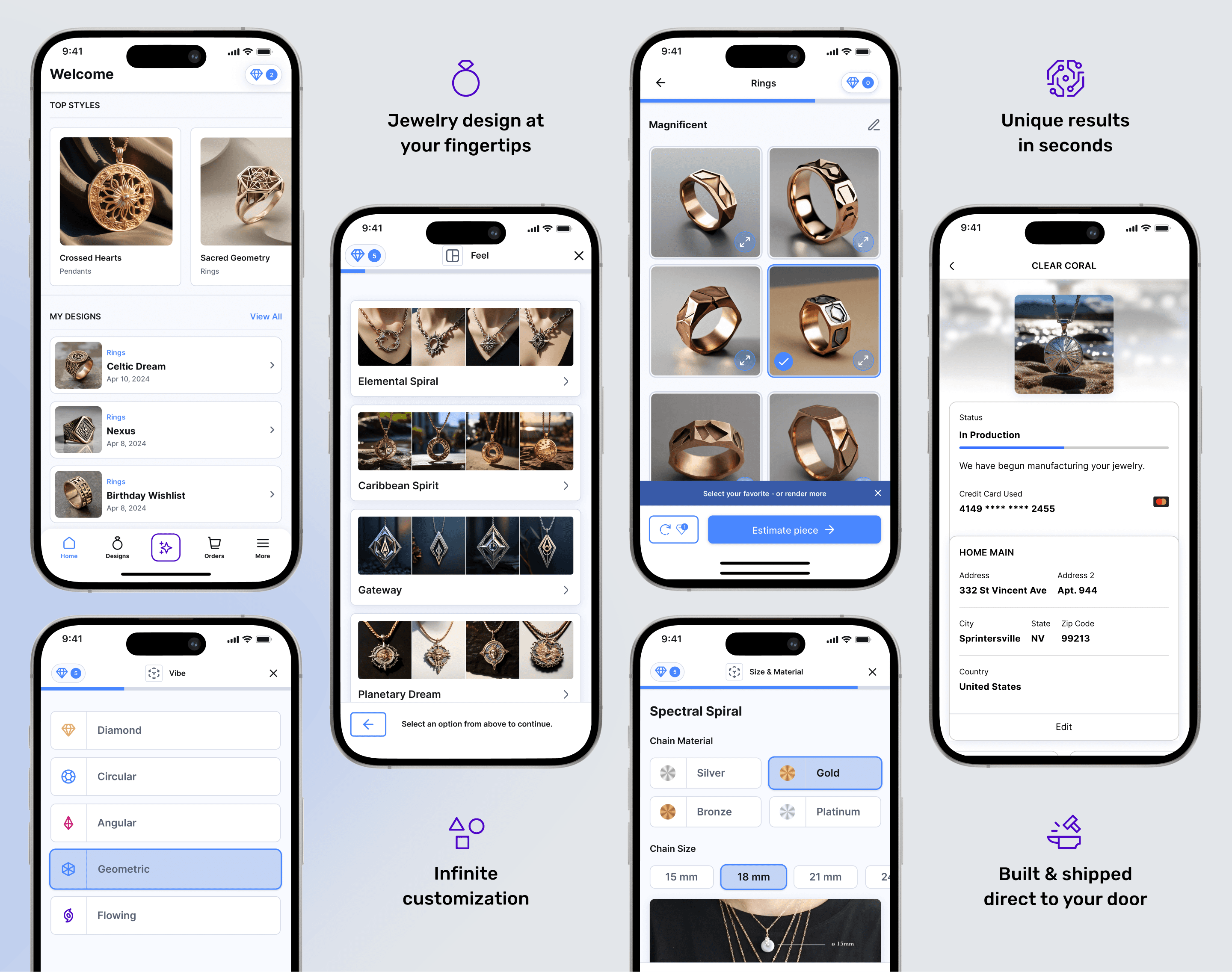
Once the core flows were validated, I transitioned the app into high fidelity prototypes across iOS and Android. This included designing a flexible system for AI prompts, templates, customization controls, material selection, and ecommerce. I also supported engineering with detailed annotations and weekly design reviews. Below are some of the core app feature flows.
Solution Highlights
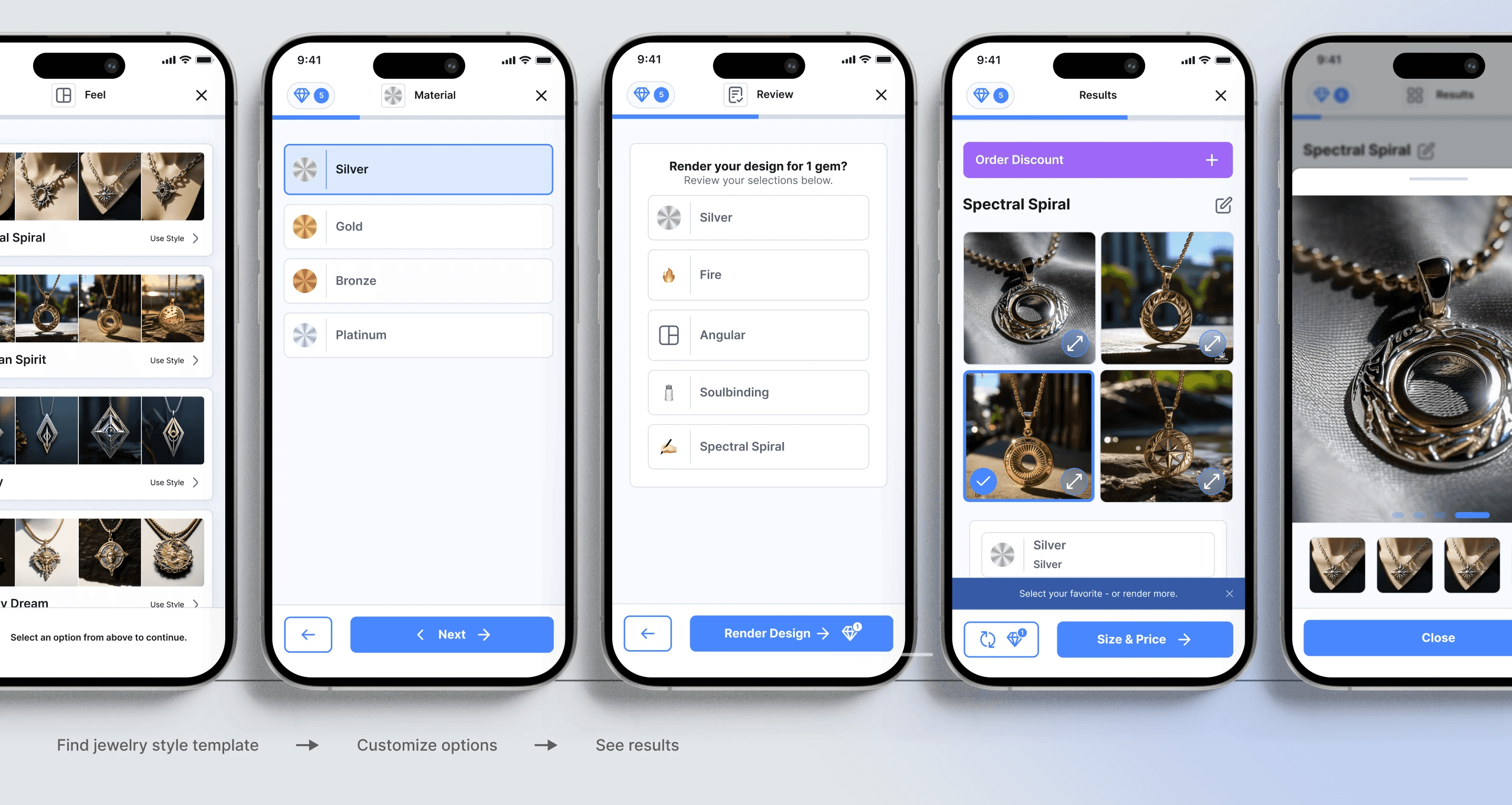
Jewelry creation
Users choose a template or start from scratch, customize details, and watch AI instantly generate unique jewelry concepts.
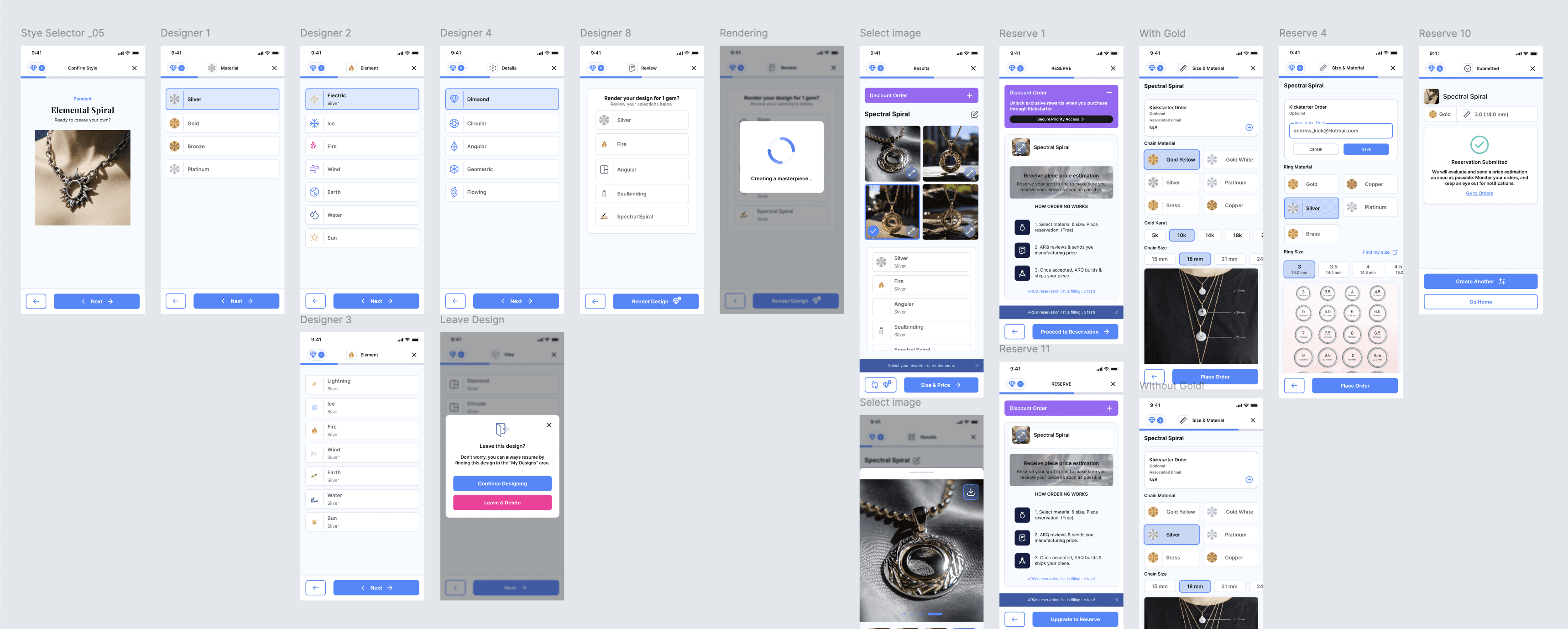
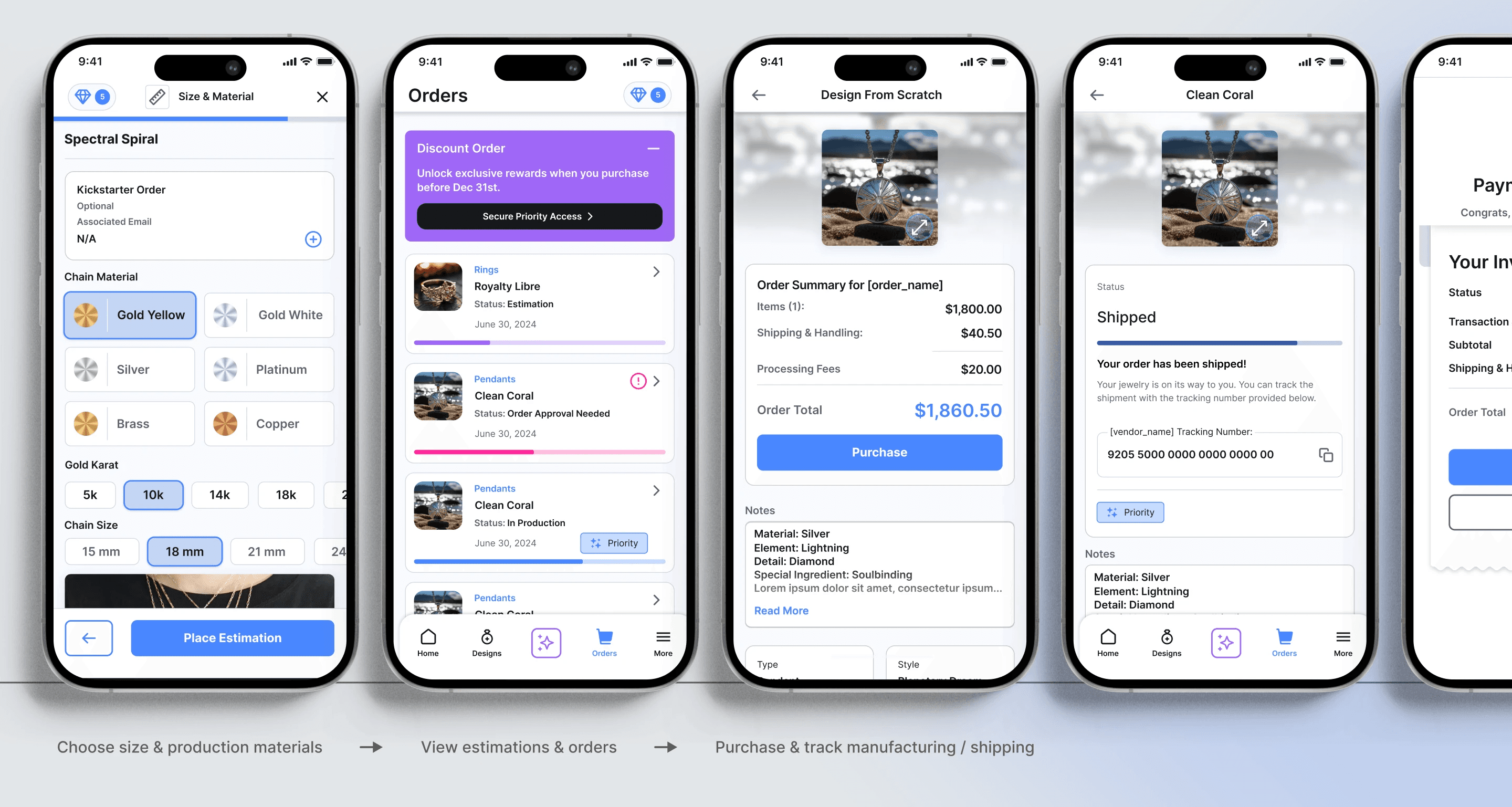
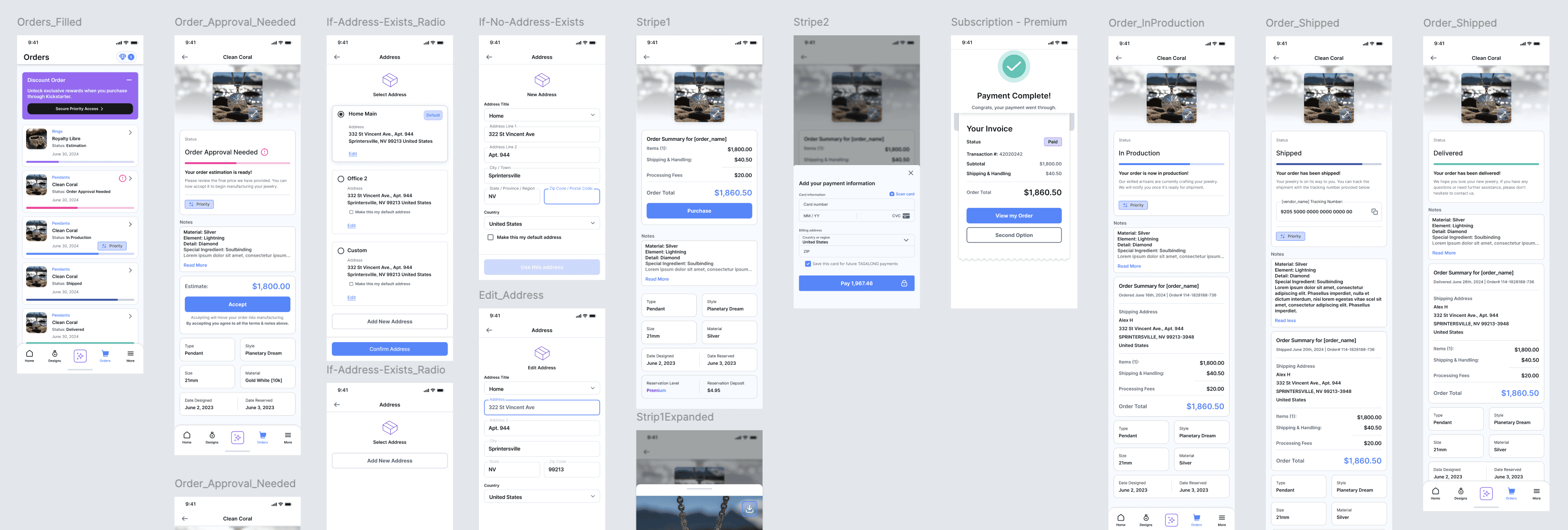
Jewelry purchase
Clear material options, transparent pricing, and a flow that directs simple pieces to instant checkout while routing complex designs to jewelers for quotes. After purchase, users can track manufacturing and shipping.
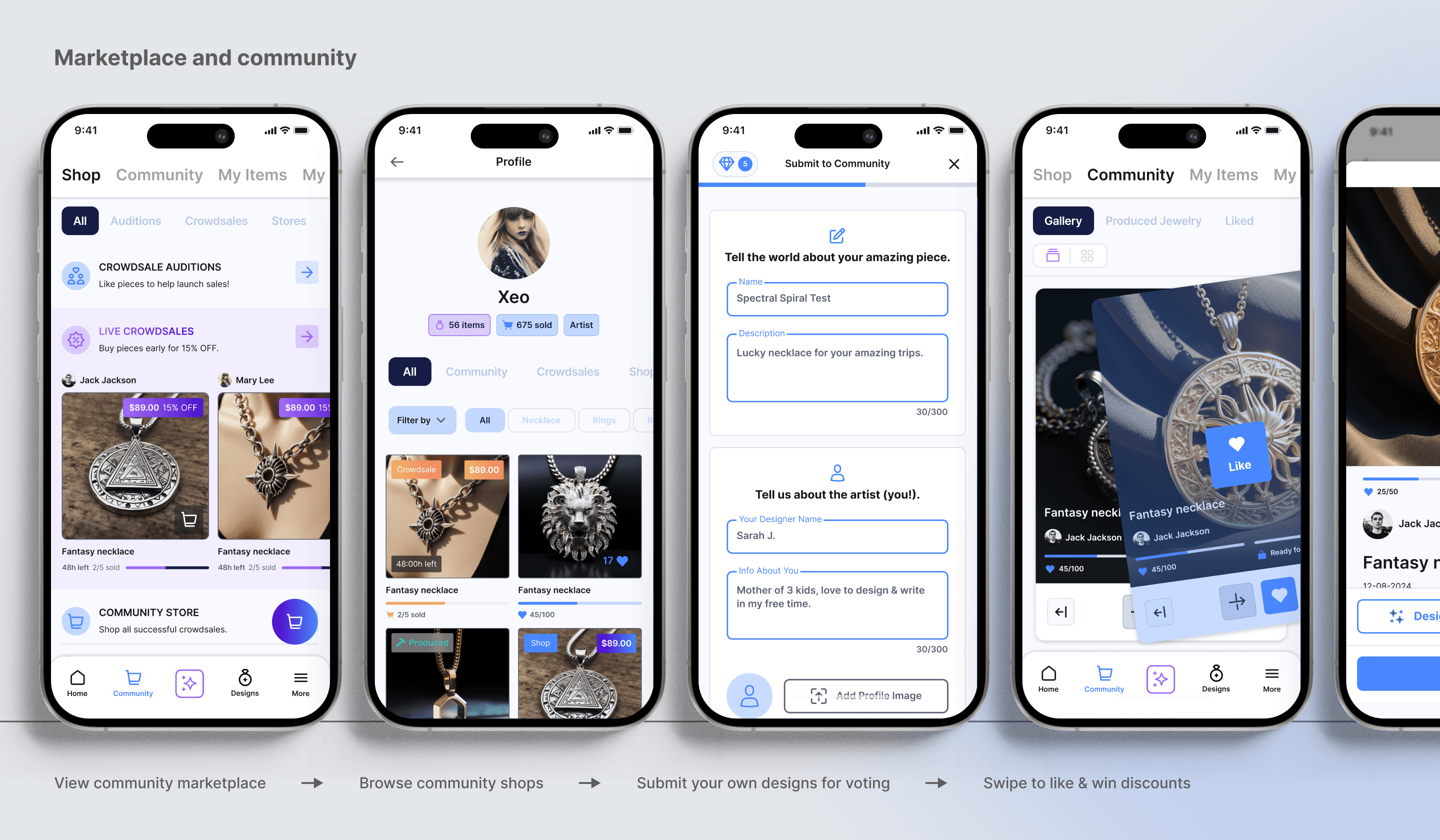
Marketplace and community
A social layer that lets users share creations, open mini storefronts, and let others buy or vote on designs.
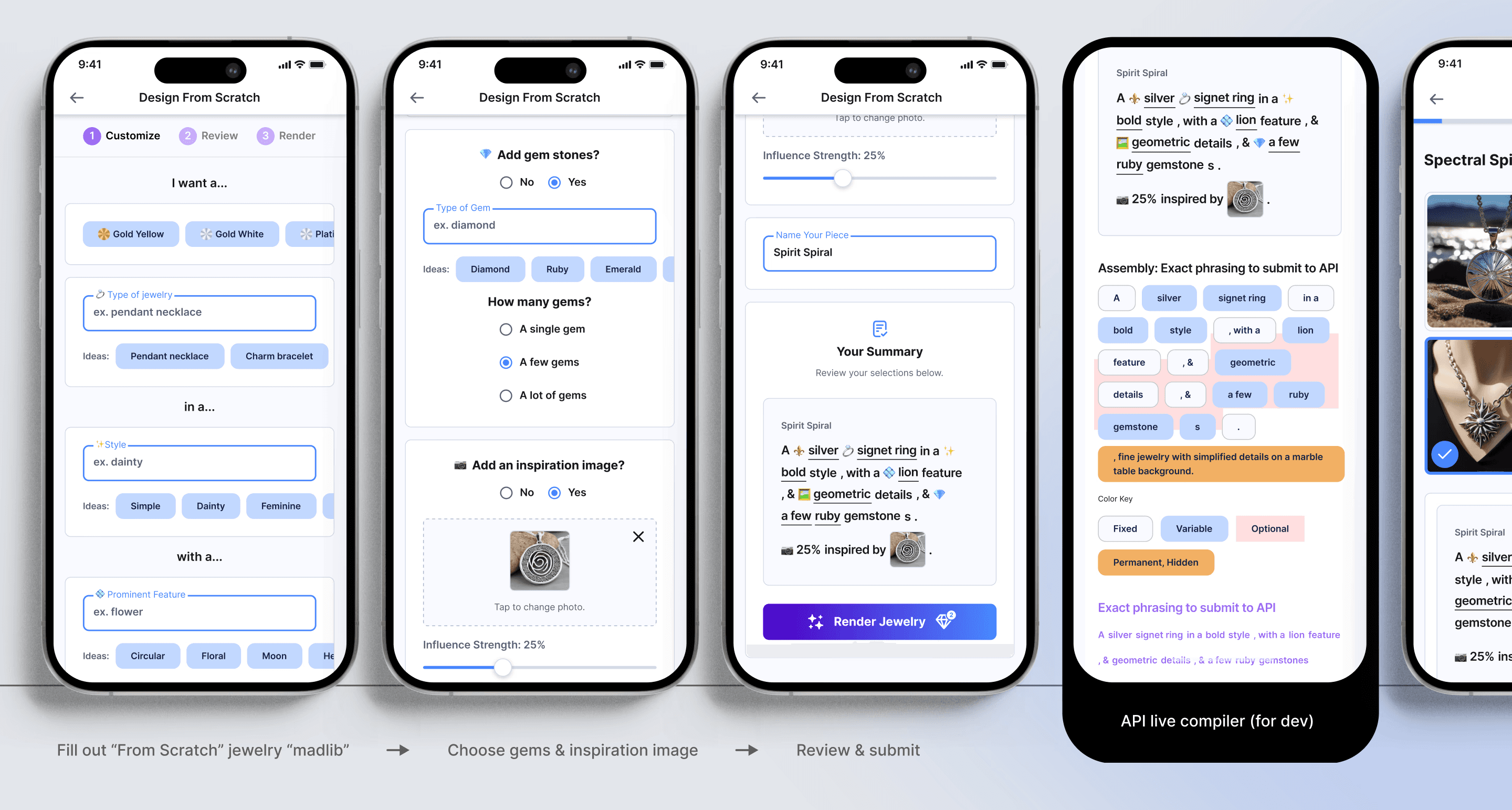
DIY creator mode
A detail-rich creation mode where users can control every attribute. They can even upload photos or sketches as inspiration.
Credit gifting
A feature for people who want to give something meaningful without guessing. Send credits that arrive on special dates and allow recipients to design their own pieces.
6. Product management
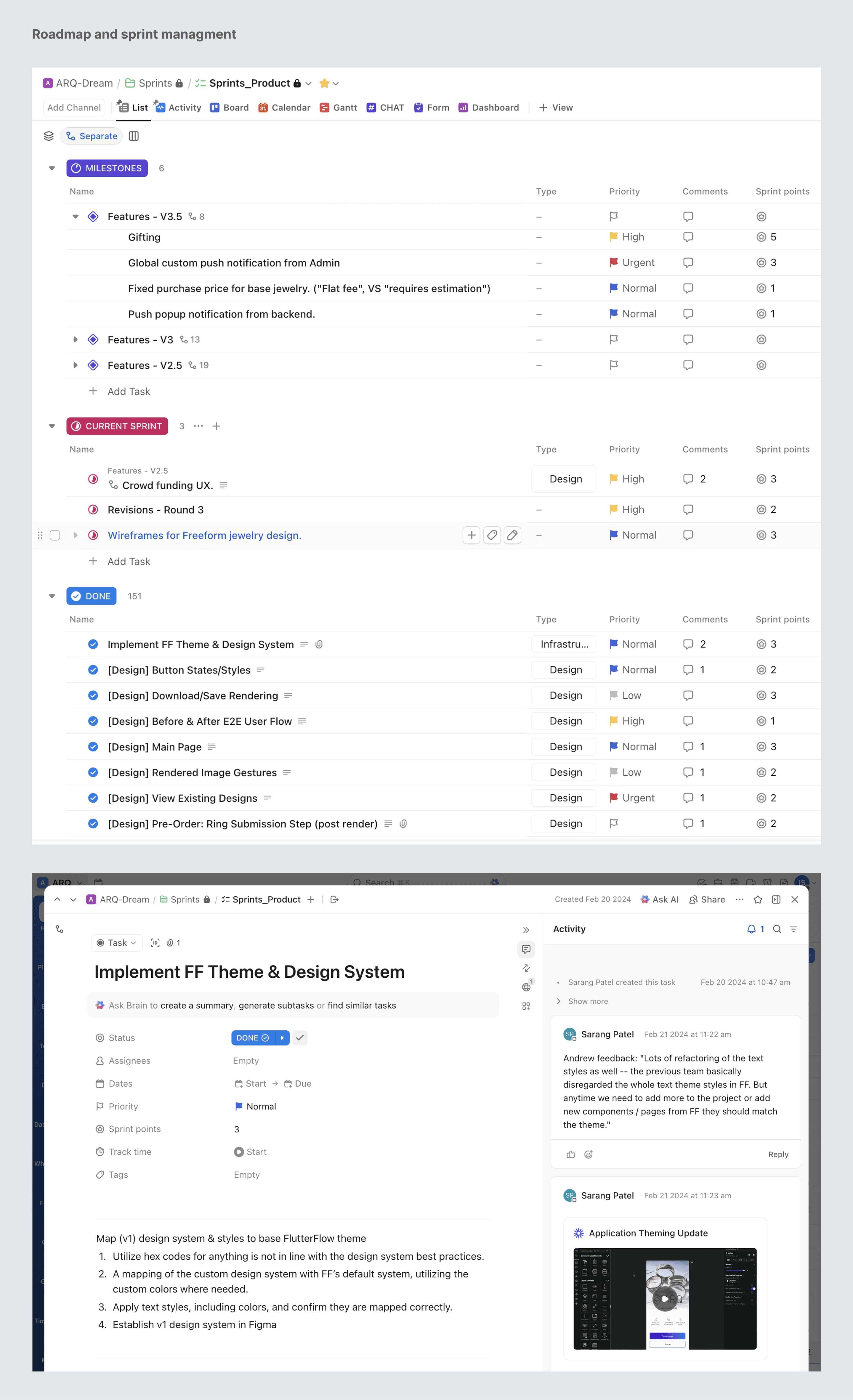
I coordinated weekly sprint reviews with developers, defined feature scopes through ClickUp, and managed priorities using story points and velocity tracking. Through close collaboration, we shipped features continuously and resolved technical constraints early. Detailed handoff documents and annotated Figma files kept development aligned and efficient.
Developer pairing & feedback
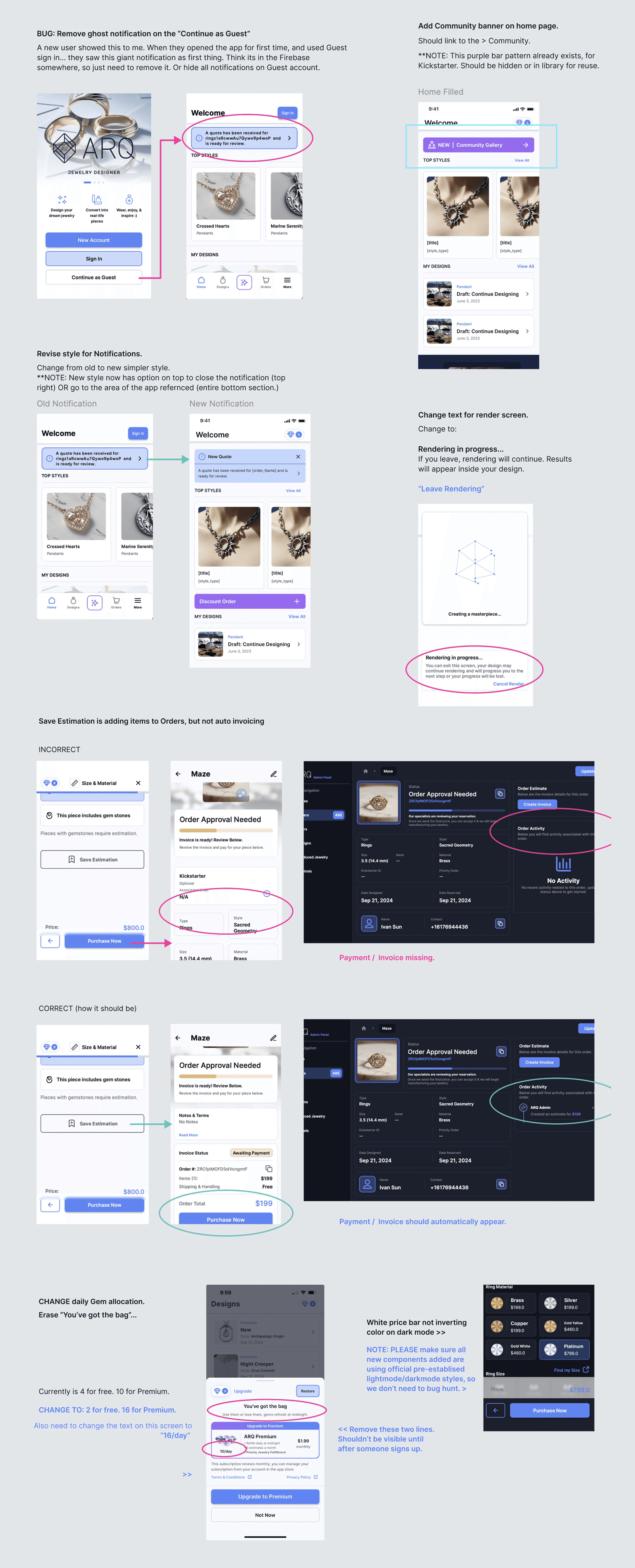
Throughout the sprints I was constantly testing and delivering feedback to the engineering team. We used pairing sessions, screenshot mark ups (like below), and recorded video walkthroughs (Loom).
7. Design system
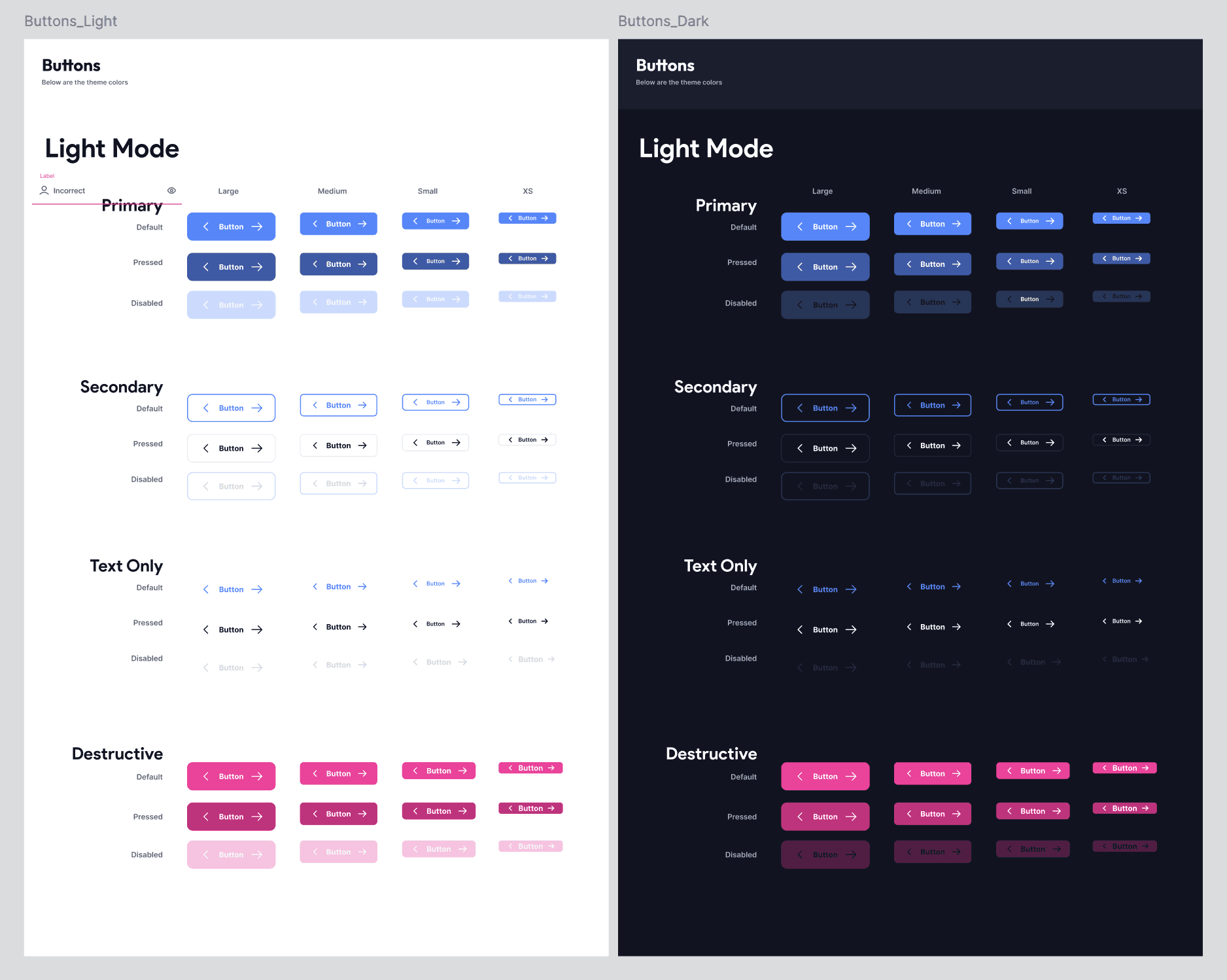
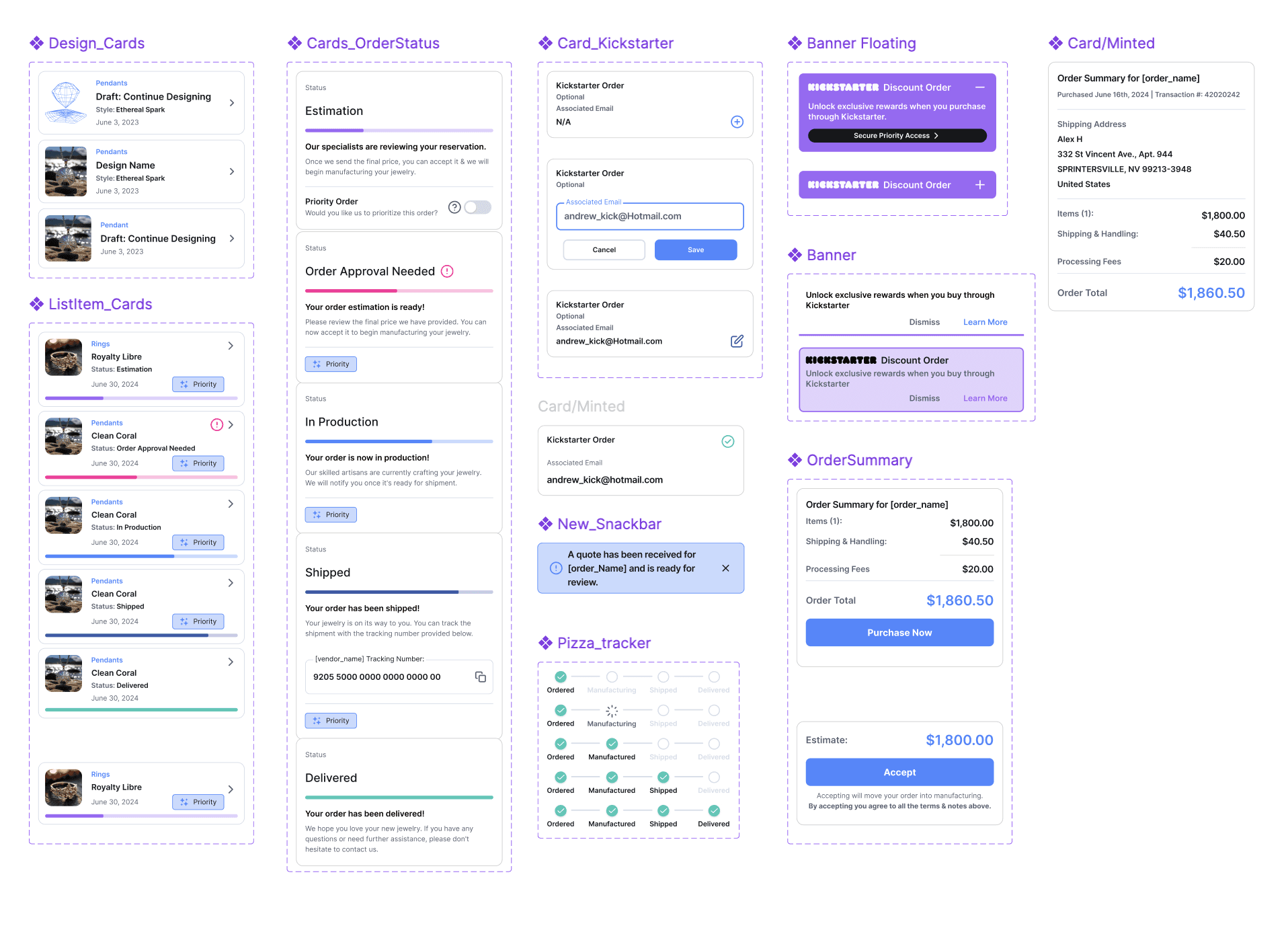
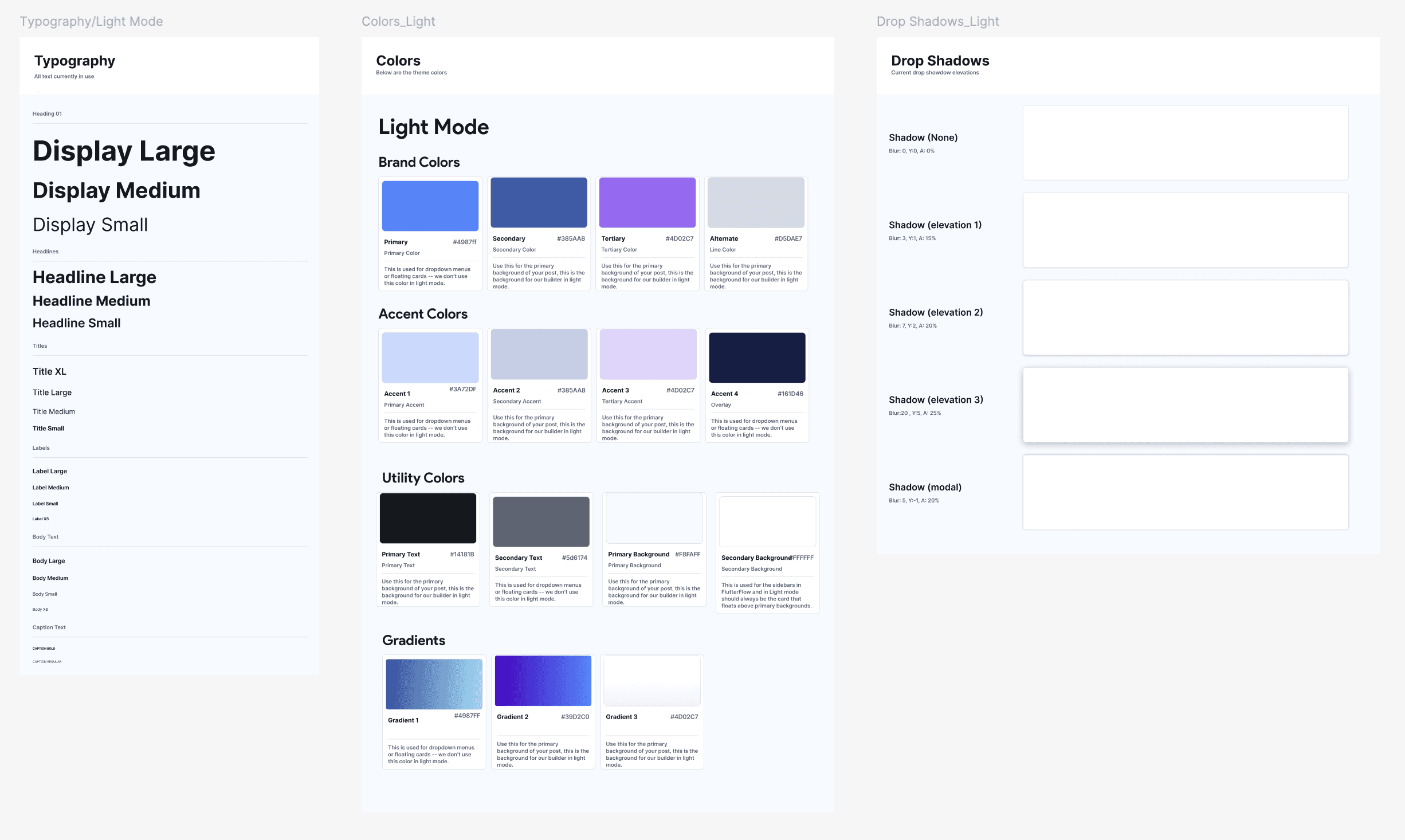
During the Build kickoff phase, I invested time up front to both build a robust style guide and pragmatic atomic component library. This made it much easier as the roadmap progressed to rapidly improve existing flows, and build/release new features faster using elements developers had already created.

8. Results
Impact
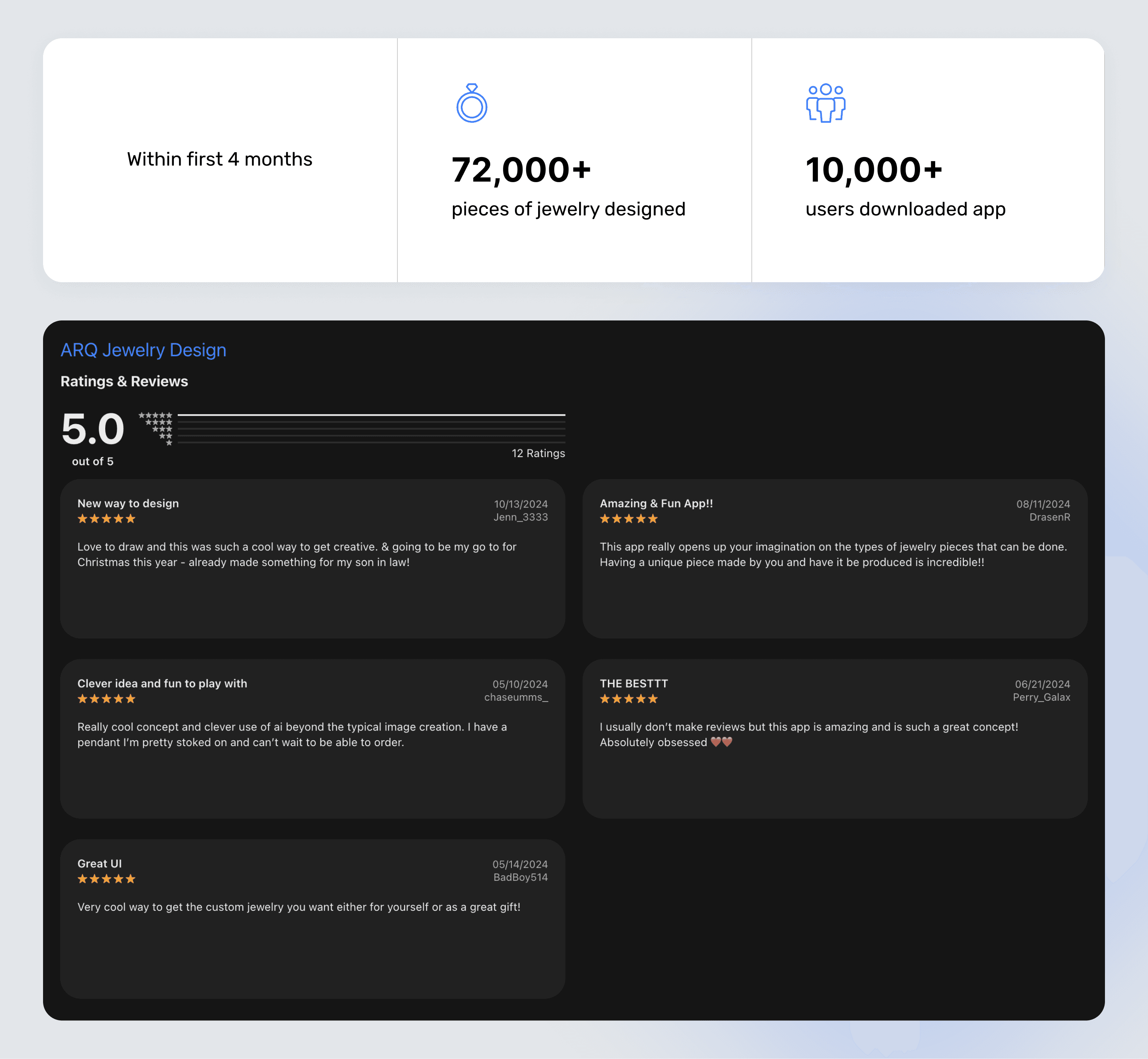
ARQ successfully launched as the world's first AI powered jewelry creation app. The platform introduced a new category of accessible custom jewelry and opened doors for partnerships with manufacturers and boutique designers.
Reflection
• What worked: Users loved the blend of creativity and shopping. The gifting flow surprised us with high adoption.
• What I learned: Balancing imaginative AI outputs with real world manufacturability required constant iteration.
• Future: Integrate real-time price markets for metals and gems, develop advanced AI that can auto generate 3D models for jewelers.
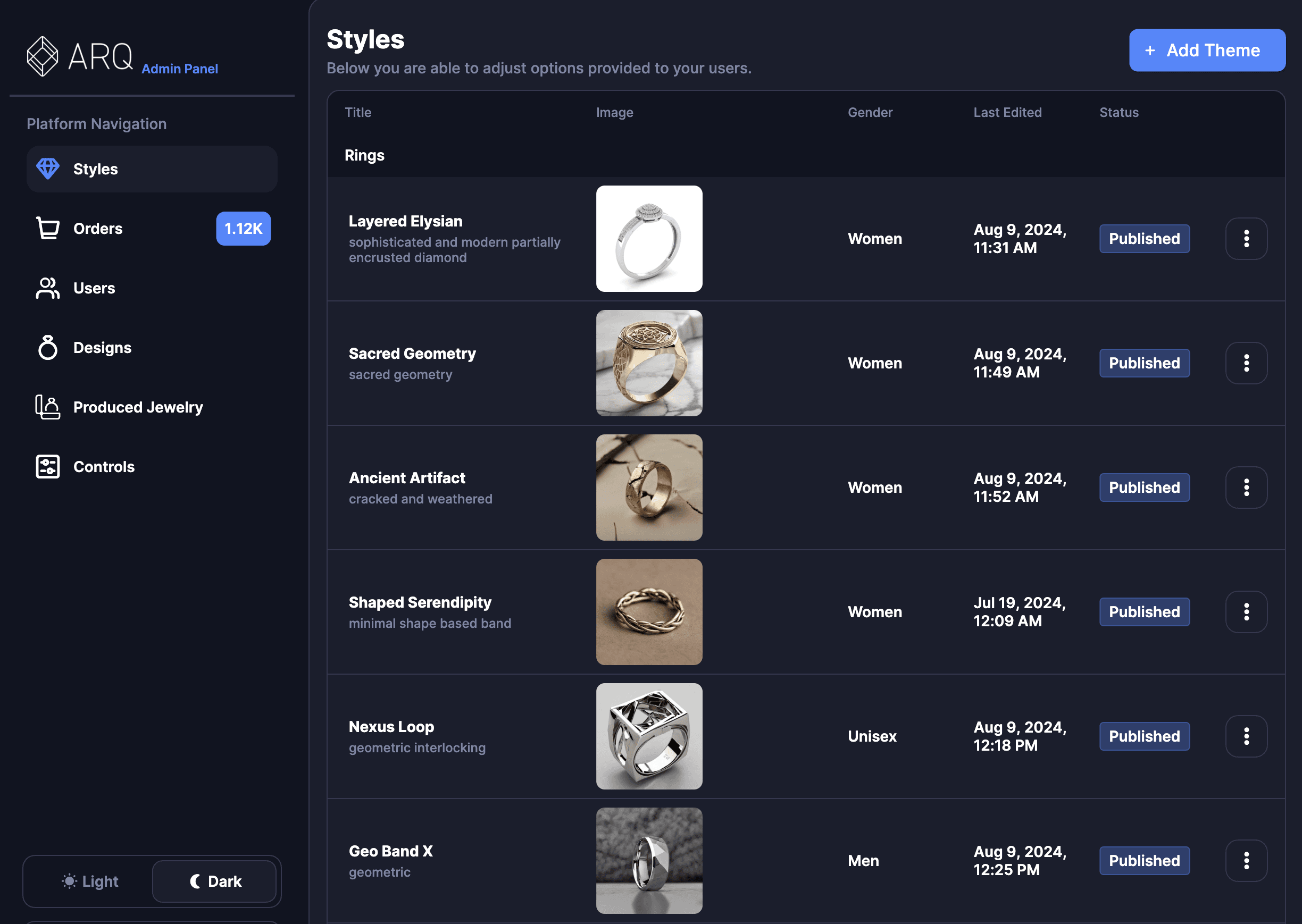
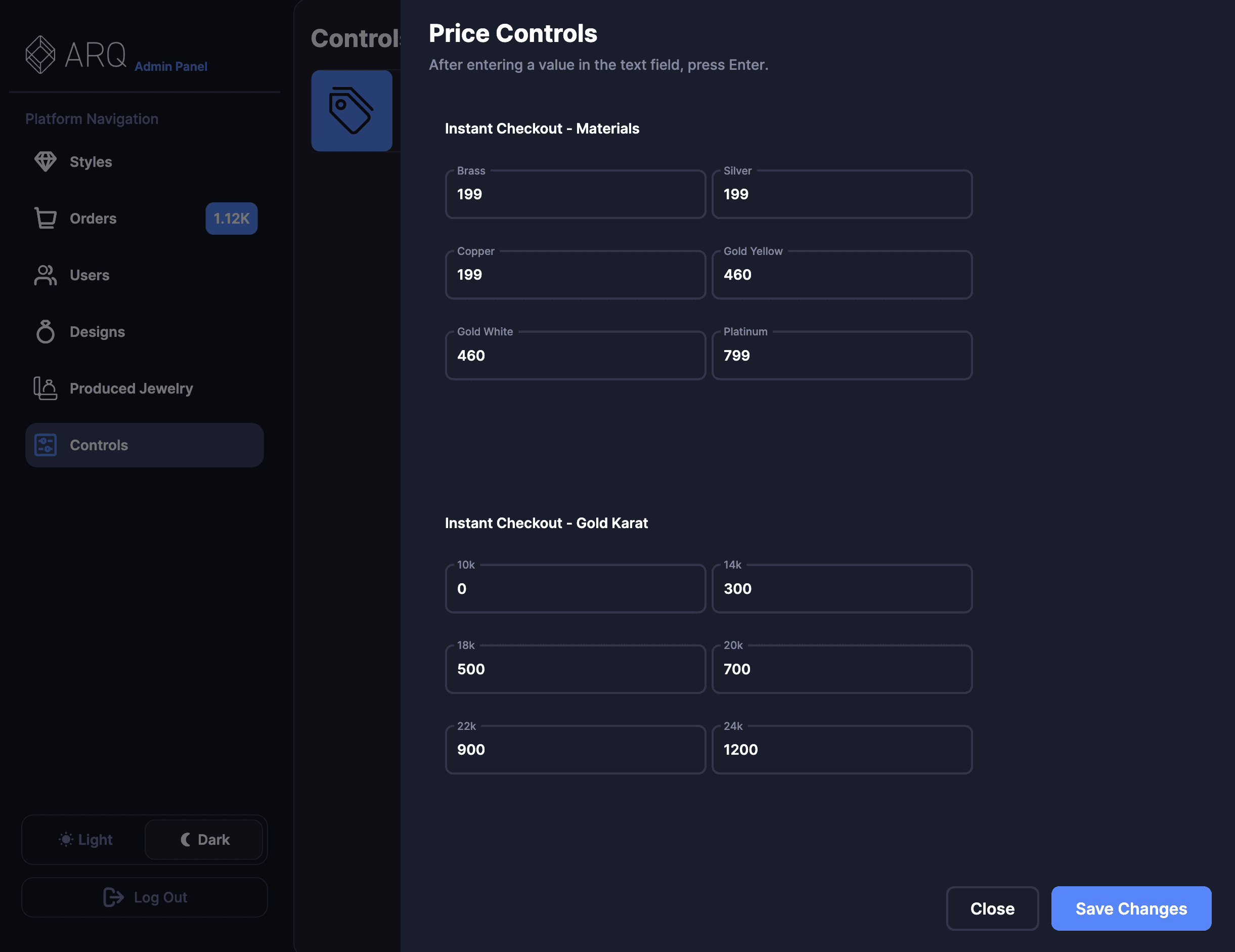
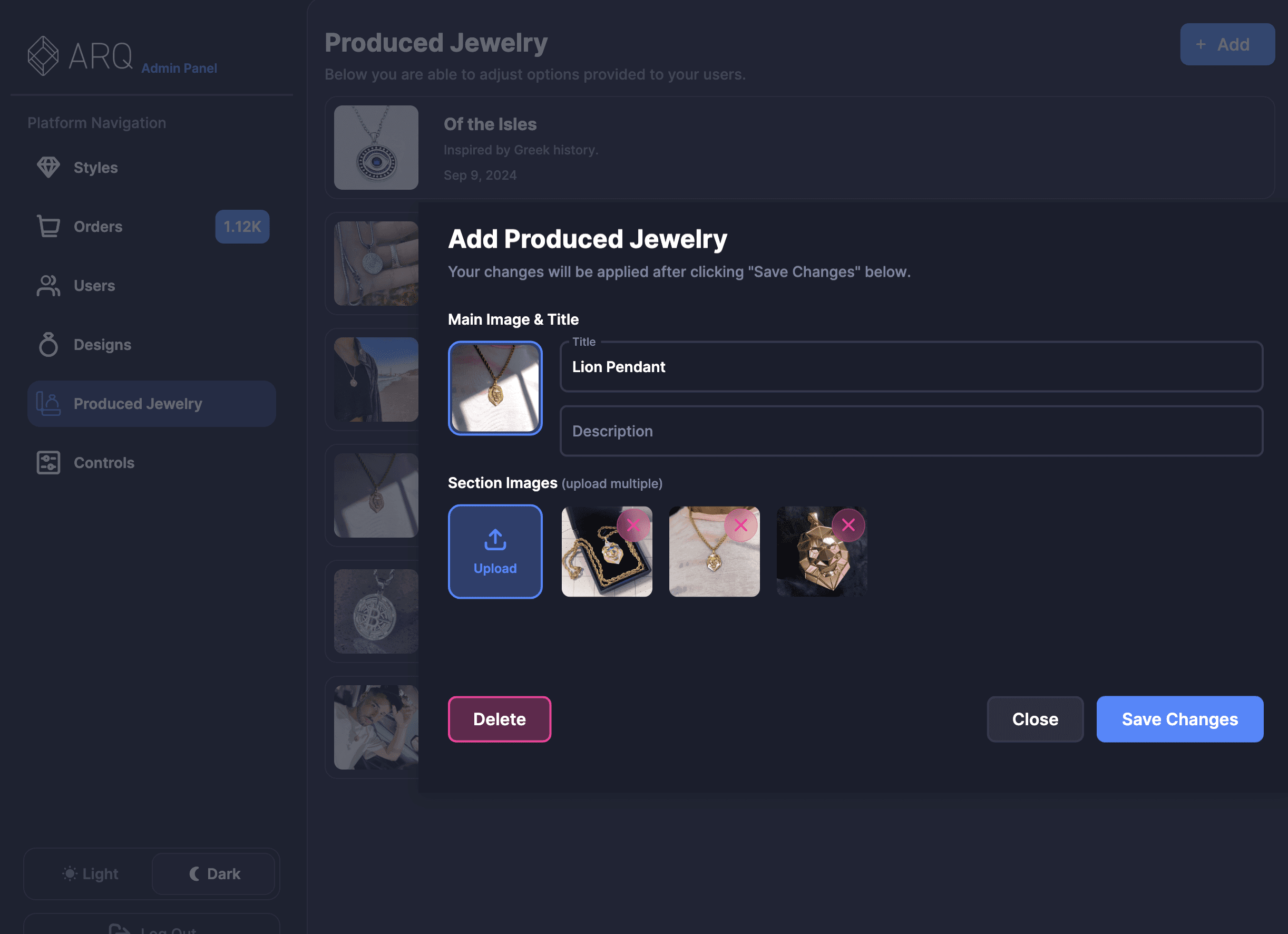
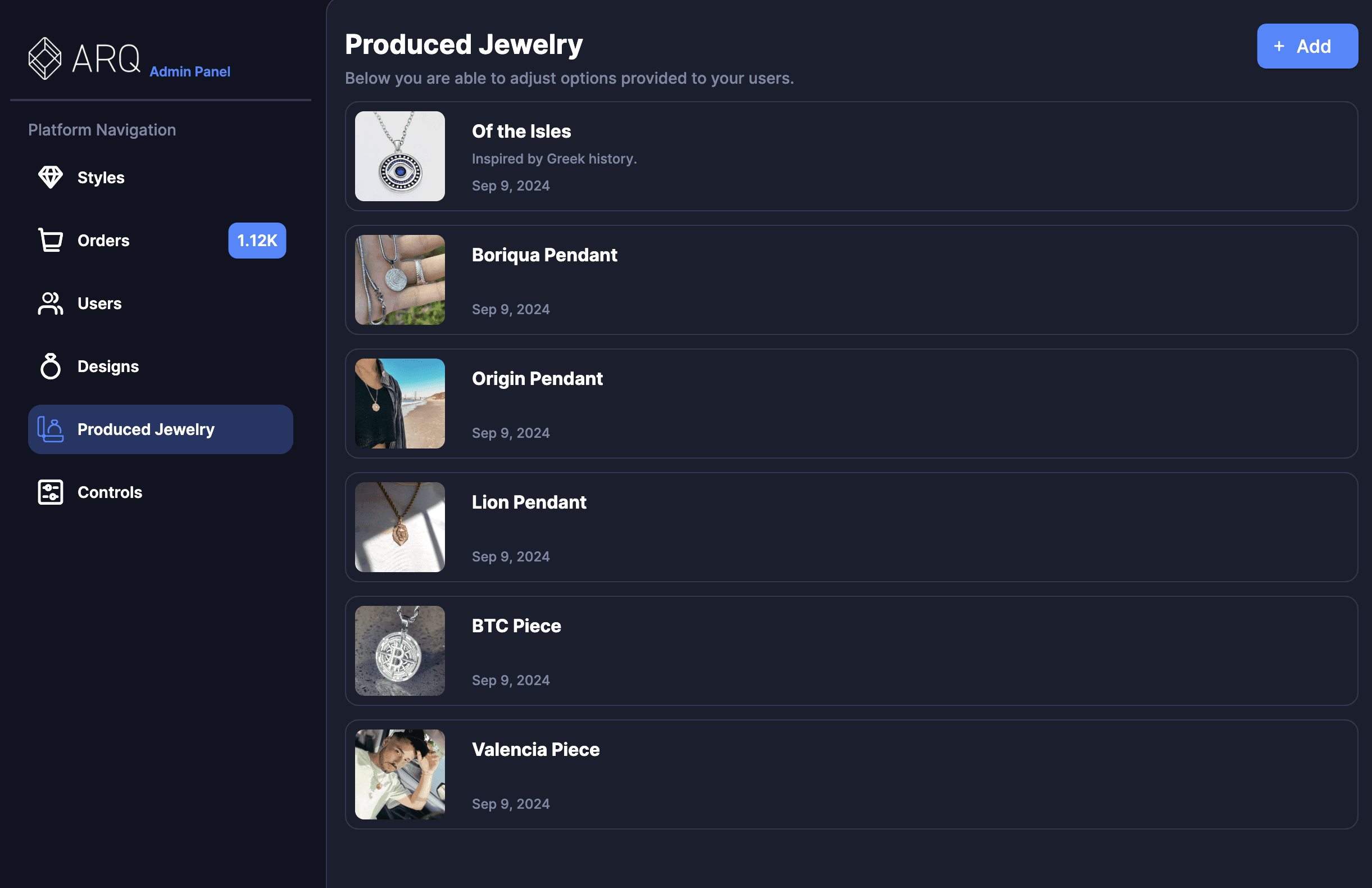
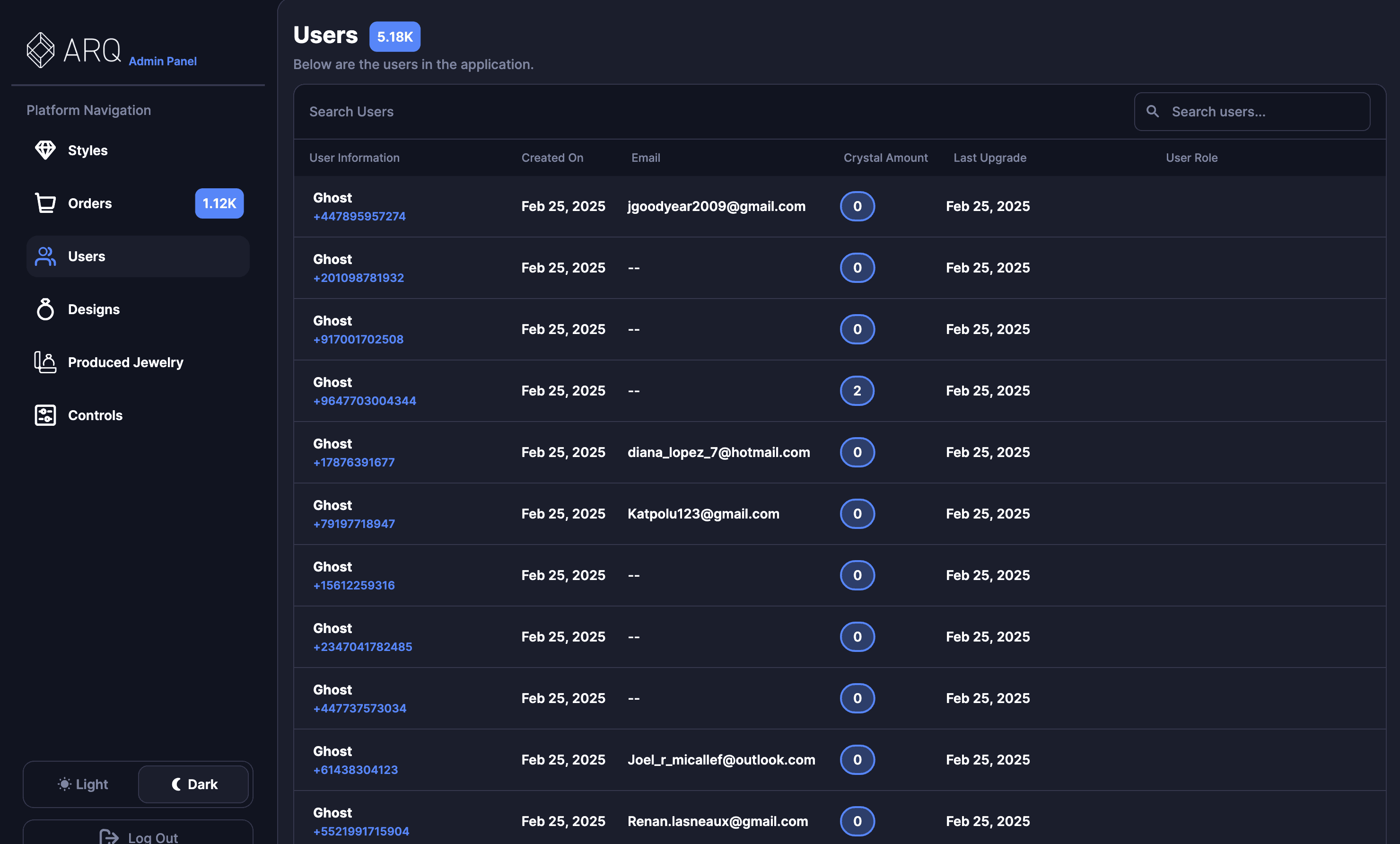
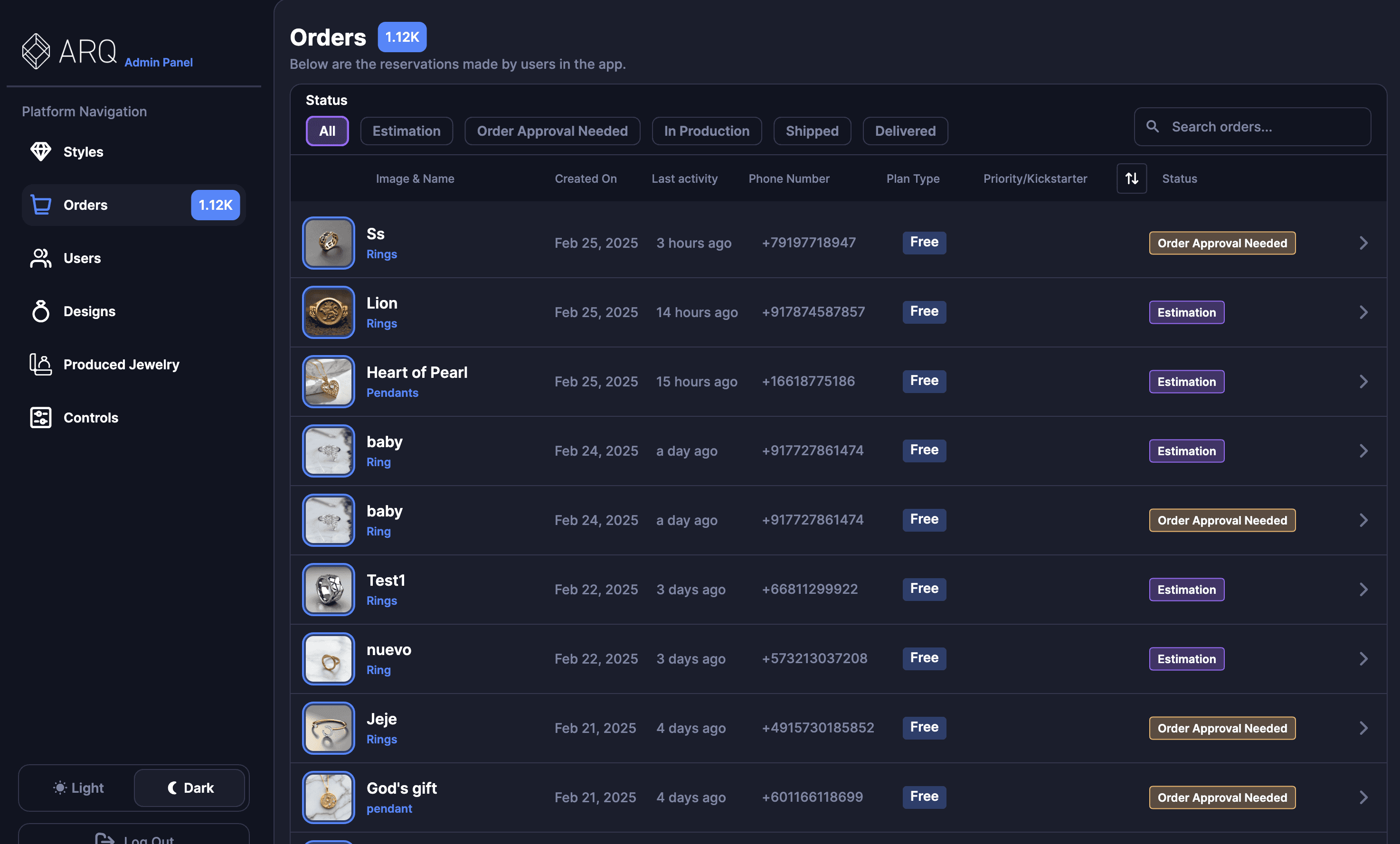
9. Admin panel
Additional work and design on the "back office" admin panel. The features in here let admins control and build jewelry templates, view orders placed from users, change prices on materials, and more. It also has the ability to spawn new versions for whitelabling; whenever new jewelry brands onboard, they receive a clone of the mobile app and their version of the admin panel. This lets each brand customize their apps and manage orders.